
-
メールでお問い合わせ
- 注目レポート
Global Mental Health Outlook 2026-2030
投稿日 22 June, 2026
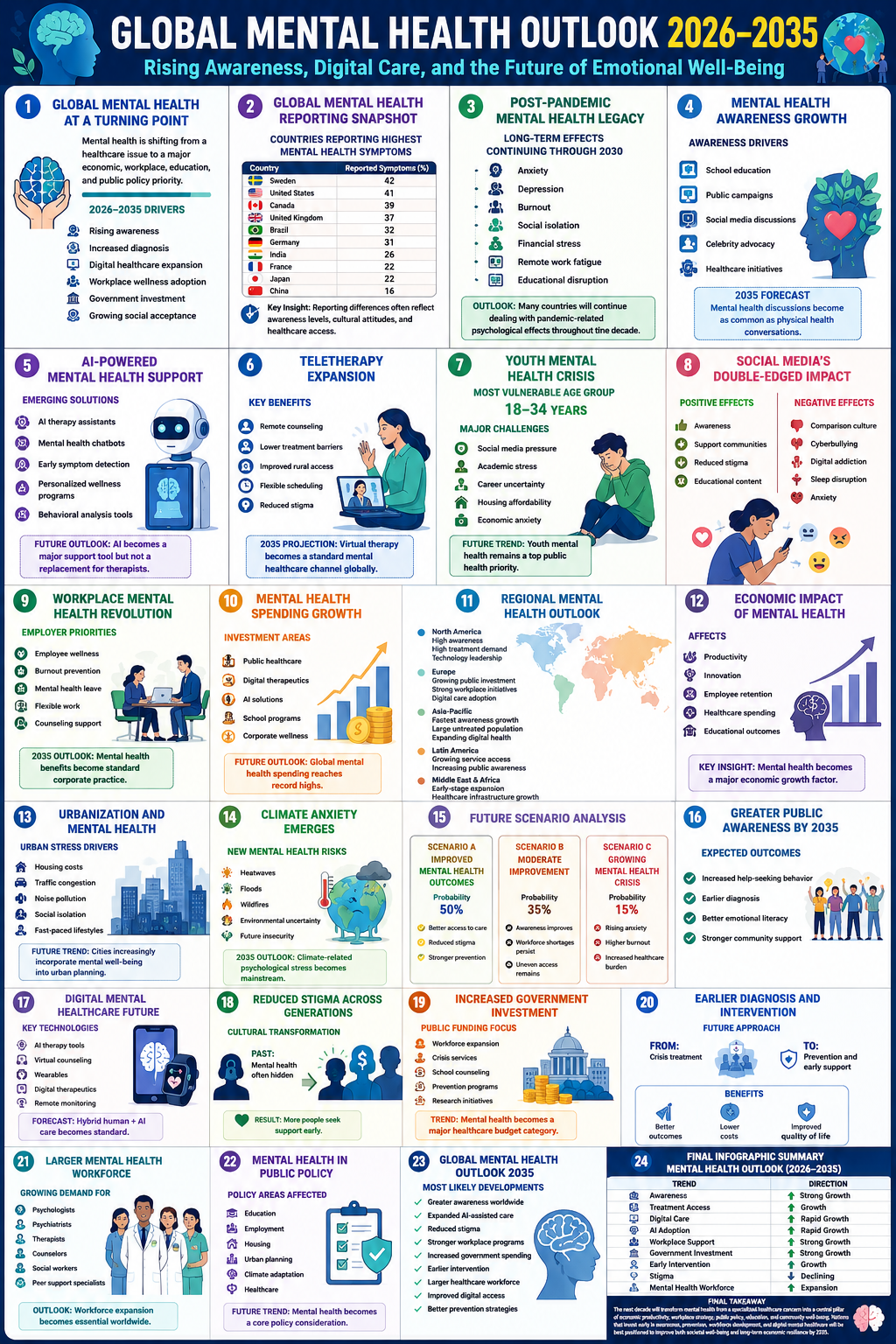
Which Countries Report the Most Mental Health Problems and What Comes Next?
Mental health has become one of the defining public health challenges of the twenty-first century. While physical health has traditionally received the majority of healthcare attention and investment, the past decade has witnessed a dramatic shift in how societies perceive psychological well-being. Mental health issues such as anxiety, depression, chronic stress, burnout, loneliness, and emotional exhaustion are no longer viewed solely as personal struggles. They are increasingly recognized as major social, economic, workplace, educational, and healthcare concerns that affect individuals, families, communities, and entire national economies.
The growing attention toward mental health reflects several overlapping global trends. Rapid technological change, increasing urbanization, economic uncertainty, social media influence, geopolitical instability, changing family structures, workplace transformation, and the lingering effects of the COVID-19 pandemic have all contributed to rising awareness of mental well-being. At the same time, many societies have become more open to discussing psychological challenges, reducing the stigma that historically prevented people from seeking support.
Recent international surveys reveal significant differences in how populations report mental health symptoms. Some countries report relatively high levels of stress, anxiety, and depression, while others report much lower levels. These differences do not necessarily mean that certain populations experience fewer mental health challenges. Instead, they often reflect varying levels of awareness, cultural attitudes, social acceptance, healthcare access, and willingness to discuss psychological concerns openly.
As we move toward 2030, mental health is expected to become an even more important priority for governments, healthcare providers, employers, educators, and technology companies. Mental well-being is increasingly linked to economic productivity, workforce participation, educational outcomes, healthcare expenditures, and overall quality of life. Organizations that fail to address mental health challenges may face declining productivity, higher absenteeism, increased turnover, and rising healthcare costs.
The next five years will likely represent a transformational period for mental health care and awareness worldwide. Advances in artificial intelligence, telemedicine, digital therapeutics, workplace wellness programs, and public health initiatives are creating new opportunities to expand access to care. At the same time, emerging challenges such as digital burnout, climate anxiety, social isolation, and economic stress continue to place pressure on individuals across all age groups.
This report examines the current state of global mental health, explores the key forces shaping mental well-being between 2026 and 2030, and analyzes how governments, businesses, healthcare providers, and communities may respond to one of the most important public health challenges of the modern era.
Global Mental Health Snapshot (2026)
Recent international survey findings reveal substantial variation in self-reported mental health symptoms across countries. Nations such as Sweden, the United States, Canada, and the United Kingdom report some of the highest levels of individuals experiencing stress, anxiety, depression, or other mental health concerns. Meanwhile, countries such as China and Japan report significantly lower levels of self-reported symptoms.
At first glance, these differences may appear to indicate that some countries have healthier populations than others. However, mental health experts generally caution against such direct interpretations. Self-reported mental health data often reflects not only actual psychological conditions but also cultural norms, public awareness, healthcare accessibility, and societal attitudes toward discussing emotional well-being.
In countries where mental health conversations have become normalized, individuals may be more comfortable acknowledging symptoms and seeking professional support. Public awareness campaigns, media coverage, educational programs, and workplace initiatives have helped reduce stigma in many Western countries. As a result, more people recognize symptoms of anxiety, depression, and stress and are willing to report them in surveys.
Conversely, in some cultures, discussing psychological struggles remains more sensitive. Individuals may be less likely to identify emotional difficulties as mental health concerns or may hesitate to disclose symptoms due to social expectations. This does not necessarily indicate lower prevalence but rather different reporting behaviors.
Another important factor is healthcare access. Countries with established mental health services often encourage earlier diagnosis and treatment. Greater awareness may lead to higher reporting rates because individuals better understand mental health terminology and symptoms. In contrast, populations with limited access to mental health education and care may underreport symptoms simply because conditions remain undiagnosed or poorly understood.
Economic and social conditions also influence mental health outcomes. High-income countries frequently experience workplace pressures, social isolation, rising living costs, and digital overload despite strong healthcare systems. Emerging economies may face different challenges including economic instability, healthcare access limitations, and demographic transitions.
The current global mental health landscape therefore reflects a complex interaction of social, cultural, economic, and healthcare factors. Understanding these dynamics is essential when interpreting international comparisons and developing effective policy responses. As awareness continues to grow over the next five years, reporting rates may increase in many countries not because mental health is deteriorating, but because societies are becoming more willing to acknowledge and address psychological well-being.
The Post-Pandemic Mental Health Legacy
Although several years have passed since the peak of the COVID-19 pandemic, its psychological effects continue to shape mental health outcomes around the world. The pandemic was not only a public health crisis but also a profound social and emotional disruption that affected billions of people simultaneously. Lockdowns, social distancing measures, economic uncertainty, school closures, workplace disruptions, and prolonged isolation created conditions that significantly influenced mental well-being.
One of the most lasting impacts has been increased levels of anxiety and uncertainty. During the pandemic, individuals faced concerns about health risks, financial stability, employment security, and the safety of loved ones. While many immediate threats have subsided, the psychological habits formed during this period continue to influence behavior. Elevated stress levels, health-related anxiety, and concerns about future uncertainty remain common across many populations.
Social isolation represented another major challenge. Human beings are inherently social creatures, and prolonged separation from family, friends, colleagues, and communities created emotional strain. Many individuals experienced loneliness at levels rarely seen before. Even after restrictions ended, some people struggled to rebuild social connections and routines that had been disrupted for extended periods.
The educational sector was particularly affected. Students experienced interrupted learning, reduced social interaction, and uncertainty regarding academic and career prospects. Mental health concerns among young people increased substantially in many countries, creating challenges that continue today. Educational institutions are increasingly investing in counseling services and psychological support programs to address these ongoing effects.
Workplace dynamics also changed dramatically. Remote work offered flexibility but introduced new forms of stress. Many employees reported difficulties maintaining work-life balance, increased screen time, reduced social interaction, and feelings of burnout. Hybrid work models continue to evolve as organizations seek to balance productivity with employee well-being.
Healthcare systems themselves faced significant strain. Mental health services experienced increased demand while often operating with limited resources. Waiting times for counseling and psychiatric support increased in many regions, highlighting the need for expanded mental healthcare infrastructure.
Looking toward 2030, the pandemic's psychological legacy is likely to remain visible. However, it has also accelerated important positive developments. Public awareness of mental health has increased significantly, employers are paying greater attention to employee well-being, governments are allocating more resources toward mental health programs, and technological innovations are expanding access to care.
In many ways, the pandemic transformed mental health from a secondary healthcare concern into a mainstream societal priority. This shift may ultimately produce long-term improvements in awareness, support systems, and access to care, even as societies continue addressing the challenges left behind by one of the most disruptive events in modern history.
Mental Health Awareness Will Continue Rising
One of the most important trends expected to shape the global mental health landscape between 2026 and 2030 is the continued growth of awareness. Over the past decade, public understanding of mental health has improved dramatically. Conditions that were once rarely discussed are now regularly addressed in workplaces, schools, universities, healthcare systems, and public policy discussions.
Several factors are driving this transformation. Social media platforms, despite their challenges, have provided spaces where individuals share personal experiences and discuss mental health openly. Public figures, athletes, celebrities, and business leaders have increasingly spoken about their own struggles, helping normalize conversations around emotional well-being. These discussions have played a significant role in reducing stigma and encouraging individuals to seek support when needed.
Governments are also investing more heavily in mental health awareness campaigns. Public education initiatives increasingly focus on recognizing symptoms, encouraging early intervention, and promoting available support services. Schools are incorporating mental health education into curricula, helping younger generations develop greater emotional literacy and resilience.
Workplaces represent another major area of progress. Many employers now recognize that mental health directly affects productivity, employee retention, and organizational performance. As a result, mental wellness programs are becoming increasingly common. Training programs, counseling services, stress management initiatives, and employee assistance programs are expected to expand significantly over the next five years.
Healthcare providers are similarly emphasizing prevention and early intervention. Rather than waiting for severe conditions to develop, healthcare systems are increasingly promoting proactive approaches to mental well-being. Routine mental health screenings may become more common in primary care settings, helping identify concerns before they escalate.
Technology will further accelerate awareness growth. Mobile applications, online resources, teletherapy platforms, wearable devices, and AI-powered wellness tools are making mental health information more accessible than ever before. Individuals can now monitor stress levels, track mood patterns, access educational resources, and connect with support services through digital platforms.
As awareness increases, reported rates of mental health symptoms may continue rising. Importantly, this should not necessarily be interpreted as worsening mental health. Higher reporting often reflects greater recognition of symptoms and increased willingness to discuss psychological concerns openly. In many cases, rising awareness is a sign of progress rather than decline.
By 2030, mental health discussions are likely to become as routine as conversations about physical health. This cultural shift has the potential to improve early intervention, reduce stigma, expand treatment access, and ultimately improve outcomes for millions of people worldwide.
Workplace Mental Health Becomes a Strategic Priority
The workplace is expected to become one of the most important battlegrounds in the global effort to improve mental health over the next five years. Historically, many organizations viewed employee mental health primarily as a personal matter. Today, that perspective is changing rapidly as employers increasingly recognize the direct connection between psychological well-being and business performance.
Research consistently demonstrates that poor mental health can affect productivity, engagement, absenteeism, turnover, and workplace culture. Employees experiencing chronic stress, anxiety, depression, or burnout often struggle to perform at their full potential. These challenges can lead to reduced efficiency, increased errors, lower job satisfaction, and higher healthcare costs.
As labor markets become more competitive, organizations are increasingly using mental health support as a tool for attracting and retaining talent. Younger generations, in particular, place significant importance on workplace well-being. Companies that fail to address mental health concerns may find it more difficult to recruit skilled professionals in the future.
Several workplace trends are expected to accelerate through 2030. Employee assistance programs are likely to become more comprehensive, offering counseling services, wellness resources, and mental health support. Flexible work arrangements will continue evolving as organizations seek to balance productivity with employee well-being. Mental health training for managers is also expected to become increasingly common, helping leaders recognize signs of distress and respond appropriately.
Burnout prevention will emerge as a major priority. Many organizations are reassessing workloads, meeting structures, communication expectations, and performance management practices to reduce chronic stress. Some companies are experimenting with shorter workweeks, wellness days, and mandatory vacation policies to support recovery and work-life balance.
Technology will play an important role in workplace mental health strategies. Digital wellness platforms, mental health applications, AI-driven coaching tools, and virtual counseling services are expanding rapidly. These technologies can help organizations provide scalable support to employees regardless of location.
The economic case for workplace mental health investment is becoming increasingly compelling. Organizations that prioritize well-being often experience improved productivity, stronger employee engagement, lower turnover, and better overall performance. As a result, mental health is transitioning from a human resources issue to a strategic business priority.
By 2030, workplace mental health programs are likely to become a standard component of corporate strategy. Companies that invest early in employee well-being may gain significant competitive advantages, while those that ignore mental health challenges risk facing growing operational and workforce-related pressures.
AI-Powered Mental Health Support
Artificial intelligence is expected to become one of the most transformative forces in mental healthcare over the next five years. While AI cannot replace licensed therapists, psychologists, psychiatrists, or human relationships, it has the potential to dramatically improve access to mental health resources and early intervention services. As demand for mental healthcare continues to exceed the availability of trained professionals in many countries, AI-based solutions are increasingly being viewed as an important part of the broader mental health ecosystem.
One of the most significant advantages of AI is accessibility. Millions of people worldwide either lack access to mental health professionals or face long waiting periods before receiving care. In rural regions, underserved communities, and developing countries, shortages of trained specialists can make timely support difficult to obtain. AI-powered mental health tools can help bridge this gap by providing immediate access to educational resources, emotional support exercises, stress management guidance, and self-assessment tools.
Advanced AI systems are becoming increasingly capable of identifying behavioral patterns associated with mental health concerns. Through analysis of speech patterns, writing styles, activity levels, sleep data, and other indicators, future systems may assist in identifying early signs of anxiety, depression, burnout, or emotional distress. Early detection could allow individuals to seek professional support before symptoms become severe.
AI-powered chatbots and virtual companions are also evolving rapidly. These systems can provide guided conversations, mindfulness exercises, cognitive behavioral therapy techniques, and emotional support resources at any time of day. For many individuals, especially those reluctant to seek traditional therapy, AI may serve as an entry point into the mental healthcare system.
However, significant challenges remain. Privacy concerns represent one of the largest barriers to widespread adoption. Mental health data is highly sensitive, and individuals must have confidence that personal information will be handled securely and ethically. Regulators and technology developers will need to establish strong safeguards to protect user confidentiality.
Another challenge involves accuracy and reliability. AI systems may provide useful support, but they are not capable of fully understanding complex human emotions, trauma histories, or psychiatric conditions. Human oversight will remain essential, particularly in situations involving severe mental illness or crisis intervention.
Over the next five years, AI is likely to function as a supplement rather than a replacement for traditional care. The most successful models will probably combine human expertise with technological capabilities. Therapists may use AI tools to monitor patient progress, identify risks, personalize treatment plans, and improve efficiency. By 2030, AI could become an integral component of mental healthcare delivery, helping expand access while supporting professionals in addressing growing demand.
Teletherapy and Virtual Counseling Expansion
The rapid growth of teletherapy represents one of the most significant developments in modern mental healthcare. What began as a necessity during the COVID-19 pandemic has evolved into a permanent component of healthcare delivery. Between 2026 and 2030, virtual counseling services are expected to become increasingly sophisticated, accessible, and integrated into mainstream healthcare systems.
Traditional therapy has long faced barriers related to geography, cost, transportation, scheduling, and social stigma. Individuals living in rural areas may need to travel significant distances to access care. Busy professionals often struggle to fit appointments into demanding schedules. Some individuals avoid seeking support due to concerns about privacy or social judgment. Teletherapy addresses many of these challenges by allowing individuals to connect with licensed professionals from the comfort of their homes.
The convenience of virtual counseling has contributed significantly to its popularity. Patients can schedule sessions more flexibly, reducing disruptions to work, education, and family responsibilities. For healthcare providers, teletherapy increases efficiency by reducing overhead costs and expanding the potential client base beyond local geographic areas.
Technology is expected to further enhance virtual counseling experiences. Improvements in video communication, digital assessment tools, secure patient portals, and AI-assisted scheduling systems will make remote care increasingly seamless. Some platforms are also integrating digital therapeutic tools, allowing therapists to monitor progress between sessions and provide personalized exercises tailored to individual needs.
Teletherapy may be particularly valuable for younger generations who are already comfortable communicating through digital channels. As digital natives become a larger share of the global workforce and healthcare population, demand for virtual mental health services is likely to continue growing.
Despite these advantages, teletherapy is not suitable for every situation. Some individuals benefit more from in-person interactions, particularly those dealing with severe psychiatric conditions, crisis situations, or complex therapeutic needs. Healthcare systems will likely adopt hybrid models that combine virtual and face-to-face services based on individual circumstances.
Governments and insurance providers are also increasingly recognizing the value of teletherapy. Reimbursement policies continue expanding, helping reduce financial barriers to access. In many countries, mental health services delivered through digital platforms are becoming more widely covered by public and private insurance programs.
By 2030, teletherapy could become one of the primary methods through which mental health support is delivered. While traditional counseling will remain essential, virtual care is expected to play a central role in addressing global shortages of mental health professionals and improving access for millions of people worldwide.
Youth Mental Health Remains the Biggest Concern
Among all demographic groups, young people are expected to remain the most vulnerable to mental health challenges throughout the remainder of the decade. Adolescents and young adults face a unique combination of social, educational, economic, and technological pressures that contribute to elevated levels of stress, anxiety, depression, and emotional distress.
The transition from adolescence to adulthood has always involved significant challenges. However, today's young people are navigating these transitions in an environment shaped by rapid technological change, social media influence, economic uncertainty, and increasingly competitive educational and professional expectations. These factors combine to create a complex landscape that can significantly affect mental well-being.
Social media remains one of the most frequently discussed influences on youth mental health. Constant exposure to curated lifestyles, appearance standards, achievement comparisons, and online feedback can contribute to feelings of inadequacy, loneliness, and anxiety. While social media also provides opportunities for connection and self-expression, its psychological impact continues to be a subject of growing concern among researchers and policymakers.
Economic factors represent another major source of stress. Many young adults face rising housing costs, student debt, employment uncertainty, and concerns about long-term financial stability. These pressures can affect mental health even among highly educated individuals with strong career prospects.
Educational environments are also becoming increasingly demanding. Academic competition, standardized testing, university admissions, and career planning create substantial pressure during critical developmental stages. Many students report experiencing chronic stress related to academic performance and future opportunities.
The lingering effects of the pandemic continue to affect younger populations as well. Educational disruptions, social isolation, and missed developmental experiences have contributed to increased mental health challenges among adolescents and young adults in many countries.
Governments, schools, universities, and employers are responding with increased investment in youth mental health programs. Counseling services, mental health education, peer support networks, digital wellness tools, and early intervention initiatives are becoming more common. These efforts aim to identify concerns early and provide support before problems become severe.
Looking ahead to 2030, youth mental health is likely to remain one of the highest priorities for public health systems worldwide. Countries that successfully invest in prevention, education, and support services may achieve significant improvements in long-term well-being, educational outcomes, workforce participation, and economic productivity.
Social Media's Dual Impact
Few technologies have influenced mental health discussions as profoundly as social media. Over the past decade, social platforms have transformed communication, information sharing, entertainment, and community building. At the same time, they have introduced new psychological challenges that continue to shape mental health outcomes around the world.
The relationship between social media and mental health is highly complex. Social platforms offer significant benefits that should not be overlooked. They allow individuals to maintain relationships across distances, access educational resources, find support communities, and engage in conversations that reduce stigma around mental health. Many people have discovered valuable support networks through online communities dedicated to anxiety, depression, grief, addiction recovery, and other challenges.
Mental health awareness itself has benefited from social media. Public discussions that were once confined to private settings now reach global audiences. Individuals can share experiences, seek advice, and learn about available resources more easily than ever before.
However, social media also creates several well-documented risks. Comparison culture remains one of the most significant concerns. Users are frequently exposed to carefully curated representations of other people's lives, achievements, appearances, and experiences. Constant comparison can contribute to feelings of inadequacy, low self-esteem, and dissatisfaction.
Cyberbullying represents another major challenge, particularly among younger users. Negative online interactions can have profound emotional consequences, sometimes extending far beyond what might occur in face-to-face environments. The permanent and highly visible nature of online content can amplify psychological harm.
Excessive screen time may also contribute to sleep disruption, reduced physical activity, and social isolation. Many individuals report difficulty disconnecting from digital environments, leading to chronic stress and information overload. The constant flow of news, notifications, and content can create cognitive fatigue and emotional exhaustion.
Over the next five years, governments and technology companies are likely to face increasing pressure to address these concerns. New regulations focused on youth safety, content moderation, digital wellness, and platform accountability may emerge. Technology providers are also exploring tools that encourage healthier usage patterns and reduce harmful engagement behaviors.
The future impact of social media on mental health will largely depend on how effectively societies balance its benefits with its risks. If managed responsibly, social platforms can continue supporting connection and awareness. If challenges remain unaddressed, they may contribute to growing mental health pressures among future generations.
Mental Health Spending Will Rise
Mental health spending is expected to increase substantially between 2026 and 2030 as governments, employers, healthcare providers, and investors recognize the growing importance of psychological well-being. For decades, mental health services often received significantly less funding than physical healthcare despite the widespread prevalence of mental health conditions. This imbalance is gradually changing.
Several factors are driving increased investment. First, awareness of mental health issues has grown dramatically. Policymakers increasingly understand that mental health affects not only individual well-being but also economic productivity, educational outcomes, healthcare costs, and social stability. As a result, mental health is becoming a higher priority within national healthcare strategies.
Second, demand for services continues to rise. Many countries face shortages of mental health professionals, creating pressure to expand training programs, healthcare infrastructure, and support services. Governments are investing in workforce development initiatives aimed at increasing the number of psychologists, psychiatrists, counselors, and social workers.
Corporate spending is also increasing. Employers increasingly view mental health support as a strategic investment rather than an optional benefit. Wellness programs, counseling services, stress management resources, and digital mental health platforms are becoming common components of employee benefit packages. Companies recognize that supporting employee well-being can improve productivity, engagement, and retention.
Technology investment represents another major growth area. Venture capital firms and healthcare investors are directing substantial resources toward digital therapeutics, teletherapy platforms, AI-powered mental health tools, and wellness applications. The mental health technology sector is expected to experience significant expansion as demand for scalable solutions continues growing.
Insurance providers are gradually expanding coverage for mental health services as well. Greater reimbursement availability can improve access to care while reducing financial barriers that historically prevented many individuals from seeking treatment.
Educational institutions are also increasing spending on student mental health programs. Schools and universities are hiring counselors, implementing wellness initiatives, and expanding support services to address growing demand among younger populations.
By 2030, mental health spending is likely to reach record levels globally. While challenges related to access, affordability, and workforce shortages will persist, increased investment has the potential to improve outcomes for millions of individuals. The coming years may represent one of the most significant periods of expansion in the history of mental healthcare, driven by growing recognition that psychological well-being is essential to both individual success and societal prosperity.
Regional Mental Health Outlook
Mental health trends over the next five years will vary significantly across regions due to differences in demographics, healthcare systems, economic conditions, cultural attitudes, technological adoption, and public policy priorities. While mental health challenges exist in every country, the way societies experience, report, and respond to these challenges differs considerably.
North America
North America is expected to remain one of the most active regions in terms of mental health awareness, diagnosis, treatment, and innovation. The United States and Canada have already seen substantial increases in public discussion surrounding anxiety, depression, stress, burnout, and emotional well-being. High levels of awareness have contributed to greater reporting rates compared to many other parts of the world.
However, awareness alone does not solve underlying challenges. Economic pressures, rising living costs, workplace stress, social polarization, and increasing digital dependence continue to affect mental health outcomes. Younger generations are particularly vulnerable to these pressures.
Over the next five years, North America is expected to lead in digital mental healthcare adoption. Teletherapy, AI-driven mental health tools, workplace wellness platforms, and personalized digital interventions will likely become increasingly common. Large employers are also expected to expand mental health benefits as part of broader talent retention strategies.
Europe
Europe is expected to continue strengthening mental health infrastructure through public healthcare systems and government-led initiatives. Many European countries have already integrated mental health into national healthcare priorities, with increasing investments in prevention, early intervention, and community-based support programs.
Workplace mental health is likely to become a major policy focus across Europe. Governments and employers increasingly recognize the economic impact of burnout, stress-related illnesses, and long-term psychological conditions. Educational institutions are also expanding mental health resources to support students facing growing academic and social pressures.
The region may also become a leader in digital mental health governance, ensuring that emerging technologies are deployed ethically while protecting patient privacy and data security.
Asia-Pacific
The Asia-Pacific region presents a highly diverse mental health landscape. Some countries continue to experience significant social stigma surrounding mental health, while others are rapidly expanding awareness and treatment access. Large populations, rapid urbanization, demographic changes, and evolving workplace cultures are contributing to growing mental health concerns throughout the region.
Countries such as Japan, South Korea, China, India, Singapore, and Australia are expected to increase investments in mental health services. Demand for digital mental healthcare solutions is likely to grow rapidly due to large populations and shortages of mental health professionals in certain areas.
Latin America
Mental health awareness is expanding steadily across Latin America. Economic uncertainty, social inequality, urbanization, and healthcare access challenges continue to influence mental health outcomes. However, governments and healthcare organizations are increasingly recognizing the need for expanded mental health support.
Digital health platforms may play an especially important role in improving access across the region. Mobile-based mental health services, teletherapy, and community support programs are expected to gain traction through 2030.
Middle East and Africa
Many countries across the Middle East and Africa are beginning to prioritize mental health more actively than in previous decades. Population growth, urbanization, youth unemployment, social change, and healthcare infrastructure development are influencing mental health needs.
Although challenges related to access and stigma remain significant, growing public awareness and healthcare investment could improve mental health outcomes over the coming years.
Overall, regional differences will continue shaping the global mental health landscape. However, one trend appears universal: awareness is rising, demand for services is increasing, and mental health is becoming a higher priority across nearly every region of the world.
Economic Impact of Mental Health
Mental health is often discussed primarily as a healthcare issue, but its economic implications are equally significant. Over the next five years, governments, businesses, and economists are expected to place greater emphasis on the financial consequences of poor mental health and the economic benefits of investing in psychological well-being.
Mental health directly affects workforce productivity. Employees experiencing chronic stress, anxiety, depression, burnout, or emotional exhaustion may struggle with concentration, decision-making, creativity, and performance. These challenges can reduce individual productivity while affecting overall organizational efficiency.
Absenteeism represents one of the most visible economic consequences. Workers facing mental health challenges may require time away from work to recover or seek treatment. However, an equally important issue is presenteeism, where employees remain at work despite struggling psychologically. In such situations, individuals may be physically present but unable to perform at their full potential.
The financial costs extend beyond employers. Healthcare systems face increasing demand for counseling services, psychiatric treatment, medication, emergency interventions, and long-term care. Untreated mental health conditions can also contribute to physical health problems, further increasing healthcare expenditures.
Mental health challenges can influence educational outcomes as well. Students experiencing psychological difficulties may face academic disruptions that affect future employment opportunities and earning potential. The long-term economic consequences of poor mental health can therefore extend across entire lifetimes.
Governments are increasingly recognizing that mental health investment can generate substantial economic returns. Early intervention programs, workplace wellness initiatives, school counseling services, and community support networks often cost less than addressing severe mental health crises after they occur.
The private sector is also changing its perspective. Mental health support is increasingly viewed as an investment rather than an expense. Organizations that prioritize employee well-being often report improvements in engagement, retention, innovation, customer service, and overall performance.
Technology may further improve economic outcomes. Digital mental health platforms can expand access to support while reducing treatment costs. AI-assisted screening tools may help identify concerns earlier, allowing more effective interventions.
By 2030, mental health is likely to be recognized as a critical economic issue alongside traditional concerns such as employment, productivity, and healthcare spending. Countries that successfully improve mental well-being may gain competitive advantages through healthier, more productive, and more resilient workforces.
Mental Health and Urbanization
Urbanization represents one of the most important demographic trends influencing mental health worldwide. More than half of the global population already lives in urban areas, and this proportion is expected to continue rising over the coming decades. While cities offer significant economic opportunities, educational resources, healthcare access, and cultural experiences, they also introduce unique stressors that can affect psychological well-being.
One of the most significant urban mental health challenges is social isolation. Although cities are densely populated, many residents report feelings of loneliness and disconnection. Large urban environments can sometimes weaken traditional community structures, reducing opportunities for meaningful social interaction and support.
Housing affordability is another growing concern. Rising housing costs in many major cities place financial pressure on individuals and families. Concerns about rent, mortgages, living expenses, and long-term financial security can contribute significantly to stress and anxiety.
Transportation and commuting challenges also affect mental well-being. Long travel times, traffic congestion, overcrowded public transportation systems, and daily commuting stress can reduce overall quality of life. These pressures accumulate over time and may contribute to emotional exhaustion and burnout.
Environmental factors play an increasingly important role as well. Noise pollution, air pollution, limited green spaces, and overcrowded living conditions can negatively affect mental health. Research increasingly suggests that access to nature, parks, and recreational spaces supports psychological well-being and stress reduction.
The modern urban lifestyle is often characterized by constant connectivity and information overload. Many city residents experience high levels of digital engagement, work-related pressure, and social comparison, further contributing to stress.
Despite these challenges, cities also offer important advantages. Urban areas typically provide greater access to mental healthcare services, educational resources, support groups, and cultural activities. As awareness grows, many city governments are incorporating mental health considerations into urban planning and public policy decisions.
Future urban development may increasingly emphasize mental well-being. Investments in green infrastructure, walkable communities, public spaces, social programs, and digital wellness initiatives could help mitigate some of the psychological challenges associated with urban living.
By 2030, mental health considerations are likely to become a more prominent component of city planning strategies as urban populations continue expanding around the world.
Climate Anxiety Emerges as a New Risk
One of the newest and fastest-growing mental health concerns expected to influence the next five years is climate anxiety. As awareness of climate change increases and extreme weather events become more visible, many individuals are experiencing emotional distress related to environmental uncertainty and concerns about the future.
Climate anxiety differs from traditional anxiety disorders in several important ways. Rather than focusing primarily on personal circumstances, it often involves concerns about large-scale environmental, social, and economic risks. Individuals may worry about rising temperatures, natural disasters, biodiversity loss, food security, water shortages, or the long-term habitability of certain regions.
Young people appear particularly vulnerable to climate-related psychological stress. Many adolescents and young adults report concerns about the world they will inherit in the future. Media coverage of environmental issues, combined with increasing scientific evidence regarding climate risks, has heightened awareness among younger generations.
Extreme weather events can also have direct psychological impacts. Communities affected by floods, wildfires, hurricanes, droughts, or heatwaves often experience increased rates of stress, anxiety, depression, and post-traumatic stress symptoms. As climate-related disasters become more frequent in certain regions, mental health consequences may become increasingly significant.
Climate anxiety is not necessarily irrational or unhealthy. In some cases, concern about environmental issues can motivate positive action, community engagement, and behavioral change. However, excessive worry may lead to feelings of helplessness, hopelessness, or chronic stress if individuals feel unable to influence outcomes.
Mental health professionals are increasingly recognizing climate-related distress as an emerging area of concern. Educational programs, counseling approaches, and community support initiatives are beginning to address the psychological dimensions of environmental change.
Governments and public health organizations may also need to consider mental health when developing climate adaptation strategies. Disaster preparedness plans, recovery programs, and community resilience initiatives will likely incorporate greater attention to psychological well-being in the future.
By 2030, climate anxiety may become one of the most widely discussed emerging mental health challenges globally. As environmental issues continue shaping public discourse, understanding and addressing their psychological impacts will become increasingly important for healthcare providers, educators, policymakers, and communities.
Future Scenario Analysis (2026-2030)
Scenario A: Improved Mental Health Outcomes
Probability: 50%
Among all possible future pathways, the most likely scenario is one in which global mental health outcomes gradually improve through a combination of increased awareness, expanded healthcare access, technological innovation, workplace reforms, and stronger public policy support. While mental health challenges will not disappear, society is increasingly recognizing psychological well-being as a critical component of overall health, creating opportunities for meaningful progress between 2026 and 2030.
One of the primary drivers behind this optimistic outlook is the continued reduction of stigma. Over the past decade, public conversations surrounding anxiety, depression, burnout, trauma, and emotional well-being have become significantly more common. Public figures, healthcare professionals, educators, employers, and governments have all contributed to normalizing discussions about mental health. As this trend continues, more individuals are likely to seek support earlier rather than waiting until symptoms become severe.
Healthcare systems are also expected to become more proactive. Historically, many mental health services focused primarily on crisis intervention. The next five years may see a stronger emphasis on prevention, early diagnosis, and ongoing wellness support. Schools, workplaces, and community organizations may play increasingly important roles in identifying concerns before they escalate into more serious conditions.
Technology is likely to contribute substantially to improved outcomes. Teletherapy, virtual counseling platforms, AI-powered mental health tools, digital therapeutics, and remote monitoring systems are expected to expand access to support services. These innovations could be especially valuable in rural areas and underserved communities where shortages of mental health professionals remain a significant challenge.
Employers will also become major contributors to mental health improvement. Organizations increasingly understand that employee well-being directly affects productivity, retention, engagement, and organizational performance. Mental health benefits, flexible work arrangements, stress management programs, and wellness initiatives are expected to become standard components of modern workplace strategies.
Governments may further strengthen progress through increased investment in mental health infrastructure. Expanded funding for counselors, psychologists, psychiatrists, crisis support programs, and public awareness campaigns could significantly improve access to care.
Under this scenario, reported mental health issues may initially continue increasing because more individuals recognize and acknowledge symptoms. However, this rise in reporting should not necessarily be interpreted as worsening mental health. Instead, it may reflect greater awareness and willingness to seek help.
By 2030, societies following this pathway could experience stronger emotional resilience, healthier workplaces, improved educational outcomes, lower healthcare burdens, and more productive economies. While challenges will remain, the overall direction would be positive, representing one of the most significant advances in global mental health awareness and support in modern history.
Scenario B: Moderate Improvement with Persistent Challenges
Probability: 35%
The second and highly realistic scenario involves steady but uneven progress. Under this pathway, awareness continues growing and support systems improve, but structural challenges prevent mental health outcomes from advancing as quickly as many experts hope. This scenario reflects a world where important gains are achieved, yet significant barriers remain unresolved through 2030.
In many countries, mental health awareness campaigns continue reducing stigma and encouraging individuals to seek support. Schools introduce emotional well-being education, employers expand wellness programs, and healthcare systems increase mental health funding. However, rising awareness creates a new challenge: demand for services grows faster than supply.
Workforce shortages remain one of the biggest obstacles. Many countries already face shortages of psychologists, psychiatrists, therapists, and counselors. Training new professionals takes time, and expanding healthcare workforces often requires substantial financial investment. As a result, waiting times for treatment may remain lengthy despite growing public demand for services.
Economic pressures could further complicate progress. Rising housing costs, inflation, job insecurity, student debt, and financial uncertainty continue affecting mental well-being across multiple age groups. Even as support systems improve, many individuals remain exposed to stressors that contribute to anxiety, burnout, and emotional distress.
The workplace environment may also present mixed outcomes. Large corporations often possess resources to invest in comprehensive wellness programs, employee assistance services, and flexible work arrangements. Smaller businesses, however, may struggle to provide similar levels of support. This creates disparities in mental health resources depending on employment circumstances.
Technology helps improve access but does not fully solve underlying problems. Teletherapy expands treatment availability, digital wellness tools provide support, and AI assists healthcare professionals. Yet technology cannot completely replace human relationships, community connections, or professional therapeutic care. Some populations may also face barriers related to digital literacy or internet access.
Social media remains another double-edged factor. While awareness continues increasing through online platforms, issues such as comparison culture, cyberbullying, misinformation, and digital fatigue continue contributing to psychological stress.
Under this scenario, mental health outcomes improve gradually but unevenly. Urban populations may benefit more than rural communities. Wealthier countries may advance more quickly than lower-income regions. Younger generations may receive better support than older populations in some areas, while other disparities persist.
By 2030, significant progress would be visible compared to previous decades, but mental health challenges would remain widespread. This scenario represents a realistic middle ground where societies move forward but continue facing substantial obstacles in creating universally accessible and effective mental healthcare systems.
Scenario C: Growing Global Mental Health Crisis
Probability: 15%
Although less likely than the previous scenarios, the possibility of a worsening global mental health crisis cannot be ignored. Under this scenario, psychological challenges increase more rapidly than support systems can adapt, creating significant consequences for healthcare systems, economies, educational institutions, workplaces, and communities.
Several factors could contribute to this outcome. Economic instability remains one of the most important risks. Periods of recession, unemployment, inflation, and financial uncertainty often increase levels of stress, anxiety, depression, and emotional distress. If economic conditions deteriorate significantly during the next five years, many individuals may face heightened psychological pressures.
Social fragmentation could further intensify challenges. Many societies are already experiencing declining community engagement, increased loneliness, and weaker social support networks. As traditional forms of social connection continue evolving, some individuals may struggle to maintain meaningful relationships and emotional support systems.
Digital dependency represents another major concern. Technology provides many benefits, but excessive screen time, social media comparison, information overload, online harassment, and digital addiction may contribute to worsening mental health outcomes. Younger generations are particularly vulnerable to these influences because digital environments play such a central role in their daily lives.
Climate anxiety and environmental stress could also become more significant. Increasing exposure to extreme weather events, natural disasters, and concerns about future environmental conditions may contribute to chronic stress and emotional exhaustion among certain populations.
Healthcare systems may struggle to respond effectively if demand rises too quickly. Workforce shortages could worsen, creating longer waiting times and reducing access to professional care. Many individuals may experience untreated or inadequately treated conditions due to limited resources.
The workplace could face growing burnout challenges as organizations attempt to adapt to economic uncertainty, technological disruption, and evolving labor market expectations. Employee stress levels may increase while support systems struggle to keep pace.
Young adults would likely face the greatest risks under this scenario. Housing affordability concerns, educational pressures, economic uncertainty, social media influences, and climate-related fears could combine to create exceptionally high levels of psychological distress among younger populations.
If this scenario emerges, mental health may become one of the most significant public health challenges of the decade. Governments would face increasing healthcare costs, businesses could experience productivity declines, and educational outcomes may suffer. While not the most probable future, this scenario highlights the importance of sustained investment, proactive policy development, and early intervention strategies.
The existence of this possibility serves as a reminder that mental health progress cannot be taken for granted. Continuous commitment from governments, healthcare providers, employers, educators, and communities will be essential to avoid a future where psychological challenges outpace society's ability to respond.
Global Mental Health Outlook 2026-2030
Greater Public Awareness
One of the most significant developments expected to shape global mental health outcomes through 2030 is the continued rise of public awareness. Over the past two decades, mental health has gradually moved from being a rarely discussed topic to becoming a mainstream social, healthcare, educational, and workplace concern. This transformation represents one of the most important cultural shifts in modern public health and is likely to accelerate over the next five years.
Historically, mental health conditions were often misunderstood or stigmatized. Individuals experiencing anxiety, depression, emotional exhaustion, trauma, or other psychological challenges frequently avoided discussing their struggles due to fear of judgment, discrimination, or social exclusion. In many societies, mental health problems were incorrectly viewed as personal weaknesses rather than legitimate medical conditions. As a result, countless individuals suffered in silence without seeking professional support.
Today, that situation is changing rapidly. Governments, healthcare organizations, schools, universities, employers, media organizations, and advocacy groups are investing heavily in public education campaigns designed to increase understanding of mental health. These initiatives help individuals recognize symptoms, understand treatment options, and appreciate the importance of emotional well-being.
Social media has also played an important role in raising awareness. While digital platforms create certain mental health challenges, they have simultaneously provided spaces where people can openly discuss personal experiences and access educational information. Public figures, athletes, celebrities, and business leaders increasingly share their own mental health journeys, helping normalize conversations that were once considered taboo.
Educational institutions are expected to become major contributors to awareness growth. Schools and universities are increasingly integrating mental health literacy into curricula, teaching students how to identify emotional challenges, manage stress, build resilience, and seek support when needed. These efforts may have long-term benefits by equipping younger generations with stronger emotional intelligence and coping skills.
Healthcare systems are also expected to place greater emphasis on preventive mental healthcare. Routine screenings, awareness campaigns, and public health initiatives may encourage individuals to address concerns before they become severe. This shift from reactive treatment to proactive prevention could significantly improve long-term outcomes.
One interesting consequence of increased awareness is that reported mental health issues may continue rising. This does not necessarily indicate worsening mental health. Instead, it often reflects greater recognition of symptoms and increased willingness to seek help. Conditions that previously went unnoticed or unreported become visible as awareness improves.
By 2030, mental health discussions are likely to become as routine as conversations about physical health. Public awareness will not eliminate mental health challenges, but it can create a foundation for earlier intervention, reduced stigma, better treatment access, and stronger societal support systems. This cultural transformation may ultimately prove to be one of the most important advances in global healthcare during the decade.
Expanded Digital Mental Healthcare
Digital technology is expected to transform mental healthcare more dramatically over the next five years than at any previous point in history. As demand for mental health services continues rising worldwide, digital solutions are emerging as powerful tools for improving accessibility, affordability, personalization, and efficiency. While technology will not replace traditional mental healthcare professionals, it is likely to become an essential component of future care delivery systems.
One of the most important advantages of digital mental healthcare is accessibility. Millions of people around the world currently face barriers when seeking mental health support. Geographic limitations, workforce shortages, transportation challenges, social stigma, scheduling conflicts, and financial constraints often prevent individuals from accessing care. Digital platforms can help overcome many of these obstacles by providing support directly through smartphones, computers, and connected devices.
Teletherapy is expected to continue expanding rapidly through 2030. Virtual counseling sessions allow patients to connect with licensed therapists regardless of location. This is particularly beneficial for individuals living in rural communities, underserved regions, or areas experiencing shortages of mental health professionals. Flexible scheduling options further improve convenience and accessibility.
Artificial intelligence is also likely to play a growing role in digital mental healthcare. AI-powered tools may assist with symptom screening, emotional monitoring, personalized wellness recommendations, and early risk identification. Some systems may analyze behavioral patterns, sleep quality, communication habits, or self-reported symptoms to help identify individuals who could benefit from professional support.
Digital therapeutics represent another emerging category. These evidence-based software applications are designed to help manage specific mental health conditions through structured interventions, guided exercises, cognitive behavioral therapy techniques, and behavioral modification programs. Such tools may complement traditional treatment approaches while expanding access to support.
Wearable technology could further contribute to mental health monitoring. Smartwatches, fitness trackers, and biometric devices increasingly collect information related to sleep, activity levels, heart rate variability, and stress indicators. These insights may help individuals better understand their mental well-being and identify early warning signs of emotional distress.
However, significant challenges remain. Privacy and data security concerns are among the most important issues facing digital mental healthcare. Mental health information is highly sensitive, and individuals must trust that their data is protected. Regulators and technology companies will need to establish strong safeguards to ensure confidentiality and ethical use of personal information.
By 2030, digital mental healthcare may become a standard component of healthcare systems worldwide. Hybrid models combining human expertise with technological support are likely to provide the most effective solutions. The goal will not be replacing therapists but expanding access, improving efficiency, and ensuring that more people receive the support they need when they need it.
Stronger Workplace Involvement
The workplace is expected to become one of the most influential environments for mental health promotion during the remainder of the decade. Organizations around the world are increasingly recognizing that employee well-being is directly connected to productivity, innovation, engagement, retention, and overall business performance. As a result, workplace mental health is transitioning from a human resources initiative into a strategic business priority.
For many adults, work occupies a significant portion of daily life. The workplace therefore has enormous influence on psychological well-being. Positive work environments can provide structure, purpose, financial stability, social connection, and personal development opportunities. Conversely, excessive workloads, poor management practices, job insecurity, toxic cultures, and inadequate work-life balance can contribute to stress, anxiety, burnout, and emotional exhaustion.
One of the most important trends expected through 2030 is the expansion of employer-sponsored mental health programs. Organizations increasingly offer counseling services, employee assistance programs, wellness resources, stress management training, and mental health education initiatives. These programs help employees access support while reducing stigma surrounding mental health discussions in professional environments.
Flexible work arrangements are also likely to remain a key component of workplace wellness strategies. The widespread adoption of remote and hybrid work models has transformed employee expectations. Many workers now prioritize flexibility as an important factor affecting mental well-being. Organizations that successfully balance flexibility with productivity may experience stronger employee satisfaction and retention.
Leadership development will play an increasingly important role as well. Managers are often the first to notice changes in employee behavior, performance, or well-being. Training programs that help leaders recognize signs of stress and provide appropriate support can improve workplace culture and encourage earlier intervention.
Burnout prevention is expected to become a major focus area. Chronic workplace stress has emerged as one of the most significant mental health concerns globally. Organizations are increasingly evaluating workloads, meeting structures, communication practices, and performance expectations to reduce burnout risks. Some employers are experimenting with wellness days, mental health leave policies, shorter workweeks, and mandatory vacation programs.
Technology will further support workplace mental health initiatives. Digital wellness platforms, virtual coaching tools, mindfulness applications, and AI-powered support systems can help organizations provide scalable mental health resources across distributed workforces.
The business case for workplace mental health investment continues strengthening. Research consistently demonstrates that organizations supporting employee well-being often experience lower turnover, reduced absenteeism, improved engagement, stronger innovation, and better financial performance. Consequently, mental health is increasingly viewed not only as a social responsibility but also as a competitive advantage.
By 2030, workplace mental health programs are likely to become standard practice across many industries. Companies that prioritize employee well-being may be better positioned to attract talent, improve performance, and build resilient organizational cultures capable of thriving in an increasingly complex and demanding global economy.
Improved Early Intervention
One of the most promising developments expected to shape the future of mental healthcare between 2026 and 2030 is the growing emphasis on early intervention. Historically, mental health systems around the world have often been reactive rather than preventive. Many individuals only received professional support after symptoms became severe enough to interfere with daily functioning, relationships, education, or employment. This approach frequently resulted in prolonged suffering, higher treatment costs, and poorer long-term outcomes. Over the next five years, healthcare systems are expected to increasingly focus on identifying mental health concerns earlier and providing support before conditions escalate.
Early intervention is based on a simple principle: addressing mental health challenges during their initial stages is often more effective than waiting until problems become severe. Just as preventive care has become a cornerstone of physical health, preventive mental healthcare is expected to gain prominence across healthcare systems, educational institutions, workplaces, and communities. The goal is to recognize warning signs early, provide timely support, and reduce the likelihood of long-term psychological difficulties.
Educational institutions are likely to play a central role in this shift. Schools and universities are increasingly implementing mental health screening programs, counseling services, emotional well-being education, and peer support initiatives. Young people often experience the first symptoms of anxiety, depression, and other mental health conditions during adolescence or early adulthood. Early identification can significantly improve outcomes by ensuring that support is available before challenges become deeply entrenched.
Healthcare providers are also expected to expand routine mental health assessments. Primary care physicians, pediatricians, and family doctors may increasingly incorporate mental health screenings into regular medical appointments. Such practices help normalize conversations about emotional well-being while allowing professionals to identify concerns that might otherwise go unnoticed.
Technology will further strengthen early intervention efforts. Digital wellness applications, wearable devices, AI-powered assessment tools, and telehealth platforms can help individuals monitor stress levels, sleep quality, mood patterns, and behavioral changes. These tools may provide early warnings when psychological distress begins to emerge, encouraging individuals to seek professional guidance before symptoms worsen.
Workplaces are expected to become another important setting for early intervention. Employers increasingly recognize that addressing mental health concerns early can reduce absenteeism, improve productivity, and enhance employee well-being. Manager training programs, wellness assessments, and confidential support services may help identify employees who could benefit from additional resources.
Despite these advances, challenges remain. Privacy concerns, healthcare workforce shortages, and unequal access to services may limit the effectiveness of some early intervention efforts. Nevertheless, the overall trend is clear. Mental healthcare is gradually shifting away from crisis response toward prevention and proactive support.
By 2030, early intervention could become one of the most effective strategies for improving global mental health outcomes. Countries that successfully invest in preventive care may experience healthier populations, lower healthcare costs, stronger educational outcomes, and more resilient communities.
Greater Integration into Public Policy
Mental health is increasingly moving beyond the healthcare sector and becoming a major consideration in public policy. Over the next five years, governments around the world are expected to integrate mental health considerations into a wide range of policy areas including education, employment, housing, transportation, disaster preparedness, urban development, social welfare, and environmental planning. This shift reflects a growing understanding that mental well-being is influenced by many factors beyond healthcare alone.
Traditionally, mental health policy focused primarily on hospitals, psychiatric services, and clinical treatment programs. While these services remain essential, policymakers increasingly recognize that social, economic, and environmental conditions play a major role in shaping psychological well-being. Issues such as unemployment, financial insecurity, social isolation, housing instability, discrimination, and community safety can significantly affect mental health outcomes.
Education policy is likely to become one of the most important areas of integration. Governments are increasingly encouraging schools and universities to incorporate mental health literacy into curricula. Programs that teach emotional resilience, stress management, conflict resolution, and coping skills may become standard components of educational systems. Such initiatives can help equip future generations with tools to manage psychological challenges more effectively.
Labor and employment policies are also expected to evolve. Governments may encourage organizations to adopt workplace wellness programs, mental health leave policies, flexible work arrangements, and employee assistance services. As mental health becomes more closely linked to economic productivity, policymakers may view workplace well-being as an important economic development issue.
Urban planning is another area where mental health considerations are gaining influence. Access to green spaces, recreational facilities, community centers, public transportation, and safe neighborhoods can all contribute to emotional well-being. Future city development strategies may increasingly prioritize environments that support both physical and mental health.
Disaster preparedness and emergency response planning are likely to place greater emphasis on psychological resilience as well. Natural disasters, public health emergencies, economic crises, and geopolitical conflicts can have significant mental health consequences. Governments are expected to strengthen crisis counseling services, trauma support programs, and community recovery initiatives.
Climate policy may also incorporate mental health considerations. As climate anxiety becomes more widespread, policymakers may seek ways to address the psychological impacts of environmental uncertainty and extreme weather events.
The growing integration of mental health into public policy reflects an important evolution in how societies understand well-being. Rather than treating mental health as an isolated healthcare issue, governments increasingly recognize it as a cross-cutting challenge that affects nearly every aspect of society.
By 2030, mental health considerations may become as common in public policy discussions as economic growth, education, healthcare, and infrastructure development. This broader perspective could help create more supportive environments that promote long-term well-being at both individual and community levels.
Continued Challenges
Despite significant progress in awareness, technology, healthcare investment, and policy development, mental health systems around the world will continue facing substantial challenges through 2030. While many indicators point toward improvement, it is important to recognize that increasing awareness alone does not automatically translate into better outcomes. Several structural, social, economic, and technological obstacles are likely to persist over the coming years.
One of the most significant challenges remains access to care. Many countries continue facing shortages of psychologists, psychiatrists, counselors, and mental health specialists. Demand for services is rising rapidly, often outpacing the growth of healthcare workforces. As a result, waiting times for treatment may remain lengthy in many regions, particularly in rural and underserved communities.
Affordability represents another major concern. Even where services are available, financial barriers can prevent individuals from seeking support. Insurance coverage varies significantly between countries and healthcare systems. Many people continue delaying treatment due to concerns about cost, which can allow symptoms to worsen over time.
Social stigma, although declining, has not disappeared entirely. In certain cultures and communities, discussing mental health remains difficult. Individuals may still fear judgment, discrimination, or professional consequences if they disclose psychological struggles. Continued education and awareness efforts will be necessary to address these lingering barriers.
Technology introduces both opportunities and challenges. While digital mental health tools improve access, they also raise concerns related to privacy, data security, quality control, and overreliance on automated systems. Ensuring that technology complements rather than replaces human support will remain an important consideration.
Economic uncertainty is another factor likely to influence mental health outcomes. Inflation, housing affordability issues, employment instability, financial stress, and income inequality continue affecting populations across many regions. Economic pressures often contribute directly to anxiety, depression, and emotional distress.
Social isolation remains a growing concern as well. Despite unprecedented digital connectivity, many individuals report feelings of loneliness and disconnection. Changes in family structures, community engagement patterns, and social interaction habits may continue influencing mental well-being.
Climate anxiety, geopolitical tensions, misinformation, and rapid technological change could introduce additional sources of psychological stress. Younger generations may be particularly affected by uncertainty regarding future economic, environmental, and social conditions.
The challenge for policymakers, healthcare providers, employers, and communities will be ensuring that support systems evolve quickly enough to address these emerging pressures. Mental health is not a problem that can be solved once and forgotten. It requires ongoing investment, adaptation, research, and collaboration.
By 2030, significant progress is likely, but challenges will remain substantial. Success will depend not only on expanding treatment services but also on addressing the broader social and economic factors that influence psychological well-being. The countries that achieve the greatest improvements will likely be those that adopt comprehensive approaches combining healthcare, education, technology, workplace support, and public policy initiatives into a unified mental health strategy.
Greater Mental Health Awareness Worldwide
By 2035, mental health awareness is expected to reach levels that would have seemed unimaginable only a generation earlier. Over the past two decades, societies around the world have undergone a profound shift in how psychological well-being is understood and discussed. Mental health is increasingly recognized as an essential component of overall health rather than a separate or secondary issue. This transformation is likely to continue accelerating throughout the next decade.
Several factors will contribute to this growth in awareness. Educational systems are expected to integrate emotional well-being, stress management, resilience building, and mental health literacy into curricula from an early age. Children entering schools today may grow up with a far stronger understanding of mental health than previous generations. As a result, future adults may be more comfortable recognizing symptoms, discussing challenges, and seeking support when needed.
Public awareness campaigns will also continue expanding. Governments, healthcare organizations, advocacy groups, and community leaders increasingly understand that awareness is one of the most effective tools for reducing stigma and encouraging treatment. Media coverage of mental health issues is expected to become more balanced, evidence-based, and informative. Rather than focusing solely on severe conditions, public discussions may increasingly emphasize prevention, emotional well-being, and psychological resilience.
Technology will further accelerate awareness. Digital platforms, wellness applications, online education resources, and virtual communities will make mental health information accessible to billions of people worldwide. Individuals will have unprecedented opportunities to learn about emotional well-being and connect with support resources regardless of geographic location.
Cultural attitudes are also likely to continue evolving. In many societies where mental health discussions were once limited, younger generations are driving change by advocating for openness and emotional honesty. This generational shift may significantly reduce stigma over time.
By 2035, mental health awareness could become deeply embedded within healthcare systems, educational institutions, workplaces, and public policy. While awareness alone cannot solve every challenge, it provides the foundation upon which prevention, treatment, and long-term support systems can be built. The continued normalization of mental health discussions may ultimately prove to be one of the most important public health developments of the twenty-first century.
Expanded Digital and AI-Assisted Care
Digital technologies and artificial intelligence are expected to transform mental healthcare more profoundly between 2030 and 2035 than during any previous period. As demand for mental health services continues increasing worldwide, healthcare systems will increasingly rely on technology to expand access, improve efficiency, and personalize care delivery.
AI-powered mental health tools are likely to become more sophisticated and widely adopted. Future systems may assist with symptom screening, emotional monitoring, personalized wellness planning, risk assessment, and treatment support. By analyzing patterns related to sleep, activity levels, communication habits, and self-reported symptoms, AI may help identify individuals who could benefit from professional intervention before conditions become severe.
Teletherapy will likely remain a central component of mental healthcare delivery. Virtual counseling platforms have already demonstrated their ability to increase accessibility and convenience. As communication technologies continue improving, remote mental health services may become nearly indistinguishable from traditional in-person experiences for many types of care.
Digital therapeutics represent another rapidly expanding area. These evidence-based software applications are designed to treat specific mental health conditions through structured interventions, behavioral exercises, and personalized treatment programs. As clinical validation increases, digital therapeutics may become standard treatment options alongside medication and traditional therapy.
Wearable technologies will likely contribute significantly as well. Future devices may continuously monitor physiological indicators associated with stress, anxiety, emotional regulation, and overall well-being. Such systems could provide real-time feedback and early warnings when mental health concerns begin to emerge.
However, the expansion of digital care will require careful oversight. Privacy, security, transparency, and ethical governance will remain essential considerations. Mental health information is among the most sensitive forms of personal data, making strong protections critical.
The most successful future models will likely combine technology with human expertise. AI and digital platforms can improve accessibility and efficiency, but empathy, trust, clinical judgment, and human connection remain fundamental elements of effective mental healthcare. By 2035, hybrid care models that integrate technological innovation with professional support may become the global standard.
Reduced Stigma Across Generations
One of the most encouraging developments expected over the coming decade is the continued reduction of mental health stigma across multiple generations. Although stigma remains a significant barrier in many regions, progress has been substantial, and current trends suggest further improvement through 2035.
Historically, individuals experiencing mental health challenges often faced social judgment, discrimination, and misunderstanding. Many people avoided discussing emotional difficulties due to fears of appearing weak, unstable, or incapable. These attitudes prevented countless individuals from seeking treatment and contributed to unnecessary suffering.
Younger generations are playing a major role in changing this narrative. Adolescents and young adults today generally demonstrate greater openness toward discussing mental health than previous generations. Social media, educational initiatives, public advocacy campaigns, and increased access to information have all contributed to shifting cultural attitudes.
As younger generations assume leadership roles in business, government, healthcare, and education, these changing perspectives are expected to influence institutions as well. Workplaces may become more supportive of employee well-being. Schools may place greater emphasis on emotional education. Healthcare systems may continue normalizing mental health treatment as part of routine care.
Intergenerational understanding is also likely to improve. Older populations are increasingly recognizing the importance of mental health, particularly as awareness campaigns and healthcare initiatives reach broader audiences. This gradual cultural evolution may help bridge historical gaps in understanding between generations.
Reduced stigma has practical benefits beyond social acceptance. When individuals feel comfortable discussing mental health concerns, they are more likely to seek support early, adhere to treatment plans, and maintain long-term well-being. Communities become more supportive, workplaces become healthier, and healthcare systems become more effective.
By 2035, mental health discussions may be viewed as ordinary aspects of daily life rather than exceptional or uncomfortable topics. While stigma may never disappear entirely, its influence on treatment-seeking behavior and public attitudes is likely to decline significantly.
Stronger Workplace Mental Health Programs
Workplaces are expected to become increasingly important centers for mental health promotion and support through 2035. Organizations around the world are recognizing that employee well-being directly affects productivity, innovation, engagement, retention, and organizational performance.
The future workplace is likely to place greater emphasis on psychological health than ever before. Mental health benefits may become as standard as healthcare insurance and retirement plans. Employee assistance programs, counseling services, wellness coaching, stress management resources, and resilience training are expected to expand significantly.
Leadership development will remain a key area of focus. Managers increasingly require skills related to emotional intelligence, psychological safety, and employee well-being. Organizations are expected to invest more heavily in training programs that help leaders recognize signs of stress, burnout, and emotional distress.
Flexible work arrangements will continue evolving as well. Many employees now prioritize work-life balance, autonomy, and flexibility when evaluating career opportunities. Organizations that successfully support employee well-being may gain competitive advantages in talent attraction and retention.
Burnout prevention is likely to become a major strategic priority. Companies increasingly understand the costs associated with chronic workplace stress, including absenteeism, turnover, healthcare expenses, and reduced productivity. Future workplace policies may place greater emphasis on sustainable workloads, recovery time, and employee support systems.
Technology will further enhance workplace wellness efforts. Digital platforms, AI-powered coaching tools, wellness applications, and mental health monitoring systems may provide personalized support while helping organizations identify emerging workforce challenges.
By 2035, workplace mental health programs could become deeply integrated into organizational culture and business strategy. Companies that invest in employee well-being may experience stronger performance, healthier workforces, and greater long-term resilience.
Increased Government Investment
Government investment in mental health is expected to increase substantially through 2035 as policymakers recognize the social and economic importance of psychological well-being. Mental health challenges affect healthcare systems, labor markets, educational outcomes, social welfare programs, and national productivity, making them increasingly difficult to ignore.
Public spending is likely to focus on expanding access to care, increasing workforce capacity, improving crisis response systems, and supporting prevention initiatives. Many countries currently face shortages of mental health professionals, creating pressure for governments to fund training programs and workforce development efforts.
School-based mental health services may receive additional support as policymakers seek to address challenges among younger populations. Early intervention programs, counseling services, and emotional education initiatives are expected to become more common.
Healthcare infrastructure investments will likely include expanded community mental health centers, digital health platforms, teletherapy networks, and integrated care models that combine physical and mental healthcare services.
Governments may also invest more heavily in research focused on mental health outcomes, treatment effectiveness, and emerging challenges such as climate anxiety and digital well-being.
By 2035, mental health spending could represent one of the fastest-growing areas of healthcare investment globally.
Earlier Diagnosis and Intervention
Earlier diagnosis is expected to become a defining feature of future mental healthcare systems. Advances in screening technologies, public awareness, healthcare integration, and digital monitoring tools will increasingly allow concerns to be identified before they become severe.
Primary care providers are likely to play a larger role in mental health screening. Routine assessments may become standard during healthcare visits, helping normalize conversations about emotional well-being while improving early detection rates.
Educational institutions may contribute through student wellness assessments, counseling programs, and emotional literacy initiatives. Employers are also expected to implement screening and wellness programs that support early intervention.
Technology will further strengthen these efforts. AI-powered tools, wearable devices, and digital health platforms may identify behavioral changes associated with emerging mental health concerns, encouraging timely support.
Early intervention often produces better outcomes, reduces treatment costs, and improves long-term quality of life. Consequently, it is likely to become one of the most important priorities in mental healthcare planning through 2035.
Larger Mental Health Workforce
Meeting growing demand for mental healthcare will require significant expansion of the global mental health workforce. Many countries already face shortages of psychologists, psychiatrists, counselors, therapists, and social workers. Without substantial workforce growth, access challenges may persist despite technological advances.
Governments, universities, and healthcare organizations are expected to increase investments in professional training programs. Scholarship initiatives, workforce incentives, and expanded educational capacity may help attract more individuals into mental health careers.
The workforce itself may also become more diverse. Peer support specialists, wellness coaches, digital health coordinators, and community-based practitioners are likely to complement traditional clinical roles.
Technology may improve efficiency, allowing professionals to serve larger populations without compromising care quality. However, human expertise will remain essential for complex cases requiring clinical judgment and therapeutic relationships.
By 2035, the mental health workforce may be significantly larger, more specialized, and more technologically enabled than it is today.
Continued Integration of Mental Health into Public Policy
Mental health is increasingly being recognized as a cross-cutting issue that influences virtually every aspect of society. By 2035, it is likely to be fully integrated into public policy discussions alongside economic growth, education, healthcare, housing, transportation, and environmental planning.
Policymakers are increasingly aware that mental well-being affects productivity, educational achievement, social cohesion, healthcare expenditures, and quality of life. As a result, future policies may routinely evaluate psychological impacts alongside economic and social considerations.
Urban planning may prioritize green spaces, community engagement, and accessible public services. Education systems may incorporate emotional resilience and mental health literacy. Labor policies may encourage workplace wellness and flexible employment arrangements.
Climate adaptation strategies are also expected to address psychological resilience and disaster recovery. Similarly, public health initiatives may increasingly focus on preventive mental healthcare rather than solely responding to crises.
By 2035, mental health could become a foundational element of policy development across government sectors. This integration would reflect a growing recognition that psychological well-being is not merely a healthcare issue but a critical factor influencing the success and resilience of societies as a whole.
Related Reports
As mental health continues to gain prominence in healthcare policy, digital health innovation, workplace wellness programs, and artificial intelligence applications, the following reports provide additional insights into emerging opportunities, technological developments, and long-term market trends shaping the global mental health ecosystem:
Global Evidence-Based Mental Health Apps Market Future Projections 2026-2033
Global Mental Health and Wellness Market Investment Landscape 2026-2033
Global Telemedicine Services for Mental Health Market Growth Drivers and Challenges 2026-2033
Global Mental Health Services and Solutions Market Historical Impact Review 2026-2033
Global Behavioral and Mental Health Software Market Economic and Social Impact 2026-2033
Global Dietary Supplements in Mental Health Care Market Demand and Supply Dynamics 2026-2033
These reports explore key developments across digital therapeutics, telepsychiatry, AI-powered mental health solutions, behavioral health software, wellness platforms, preventive care strategies, and evidence-based treatment approaches. Together, they provide a comprehensive view of the technologies, investment trends, regulatory developments, and healthcare innovations expected to influence the future of mental health services worldwide through 2033.
最近のブログ
Parabolic Trough Collector Market Outlook Through 2035
Railway Propulsion Systems Market
Global Mental Health Outlook 2026-2030
The Next Five Years of Digital Innovation, AI Governance, and Europe's Competitive Future (2026
EU Digital Protection Index 2025: Public Confidence, Privacy and AI Governance
Public Concern About AI-Generated News Remains Limited Despite Rapid AI Adoption
Asia Gains Ground in Global Travel Demand: How the Global Tourism Map Is Being Redrawn Through
Housing Cost Burden in the EU Continues to Ease Through 2027, Yet Urban Residents Still Face th