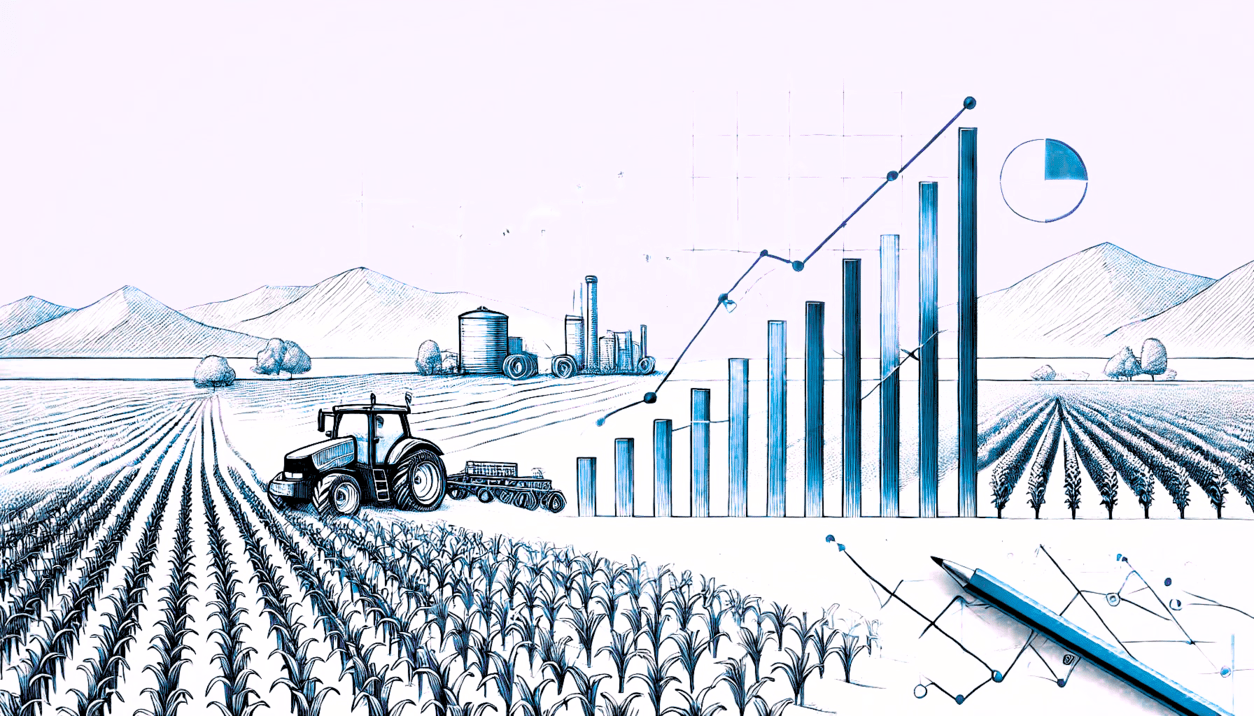
The global plant antifreeze cover market is set for steady expansion through 2033, with demand expected to rise at a 6.8% CAGR and reach about USD 2.14 billion by the end of the forecast period. This market covers protective covers, wraps, insulated sleeves, and related thermal barriers used to shield crops, nursery stock, young trees, and commercial plants from frost, cold snaps, and freeze damage. Growth is being shaped by more volatile winter weather, the expansion of high-value horticulture, and greater willingness among growers to spend on crop protection when a single frost event can erase a season’s profit. The market is also benefiting from stronger adoption in orchards, vineyards, landscaping, and greenhouse operations, where even modest temperature protection can preserve plant health and reduce replacement costs.


Between 2019 and 2025, the market moved from a largely seasonal and fragmented product category into a more organized protection segment tied to climate risk management. The market was estimated at roughly USD 1.18 billion in 2019, slowed during the pandemic disruption in 2020, then recovered to about USD 1.27 billion in 2021 and USD 1.36 billion in 2022 as agricultural input spending normalized. By 2025, the market reached approximately USD 1.55 billion, supported by stronger sales in Europe, North America, and parts of Asia where late frosts and irregular cold spells became more common. In 2026, the base year, the market stands near USD 1.65 billion and is projected to climb to around USD 2.14 billion by 2033, with revenue growth led by premium reusable covers, commercial orchard applications, and larger procurement contracts from greenhouse operators and municipalities.
The United States remains the largest single-country market, with 2026 demand close to USD 360 million and a forecast value approaching USD 470 million by 2033. Growers in California, Washington, Oregon, Florida, and the Northeast are spending more on frost protection because citrus, berries, grapes, and nursery stock all face measurable loss risk from short cold events. Investment is strongest in reusable insulated covers, orchard wraps, and fabric-based systems sold through agricultural distributors and specialty landscape suppliers, while retail demand also supports smaller backyard and gardening formats. Much of the country’s growth comes from replacement demand and higher average selling prices, since users increasingly prefer durable products that can survive multiple seasons rather than low-cost disposable covers.
China is the fastest-expanding large market by volume, with 2026 revenue estimated at about USD 240 million and a 2033 level near USD 345 million. Demand is concentrated in northern provinces, high-altitude horticulture zones, and controlled environment agriculture where frost protection helps stabilize fruit tree and nursery production. Public and private investment in greenhouse infrastructure, protected cultivation, and specialty crop upgrading has made thermal covers more commercially relevant, especially for apple, pear, tea, and ornamental plant producers. Price sensitivity remains high, so growth is strongest in mid-tier and multi-use products, but local manufacturers are improving material quality and distribution, which is expanding adoption in both commercial farming and municipal landscaping.
Germany shows a more mature but stable profile, with 2026 market value near USD 110 million and projected 2033 demand of about USD 143 million. The market benefits from structured horticulture, strong garden retail channels, and a high level of interest in plant preservation among commercial growers and private users alike. Demand is shaped by colder shoulder seasons, early frosts, and the country’s dense greenhouse and nursery base, which favors standardized insulated covers and specialty frost cloth. Sustainability also matters here, so demand is leaning toward reusable and recyclable products, a pattern that Stats N Data has consistently observed in premium European garden protection categories. Industrial purchasing is steady, but replacement cycles are shorter for low-end products, making durability a key buying criterion.
Japan’s market is valued at roughly USD 92 million in 2026 and is likely to approach USD 117 million by 2033, supported by high-value horticulture and careful crop quality management. Orchards, ornamental growers, and greenhouse operators use antifreeze covers to reduce the risk of sudden cold damage, particularly in regions where seasonal temperature swings remain difficult to predict. The market is smaller than China’s or the United States’, but spending per unit is higher because buyers favor precision-fit, higher-spec materials and often source through organized agricultural supply channels. Distribution is also influenced by aging farm ownership and labor constraints, which makes easy-to-install, reusable covers more attractive than manual, lower-value alternatives.
India remains underpenetrated but is growing from a smaller base, with 2026 market value around USD 68 million and expected 2033 revenue of roughly USD 106 million. Cold protection is most relevant in northern horticultural belts, high-altitude plantations, nursery operations, and export-oriented produce farms that cannot afford frost-related losses. Demand is supported by rising investment in protected cultivation, better farm input awareness, and expanding sales through agri-retail channels serving fruit, flower, and vegetable growers. Price remains the biggest barrier, yet demand is improving for lightweight covers and seasonal protection products that can be used across multiple crops and sold in compact retail formats.
South Korea’s market stands near USD 54 million in 2026 and should rise to about USD 69 million by 2033, driven by greenhouse farming, fruit orchards, and ornamental plant production. The country’s growers are highly responsive to weather risk, and repeated cold events have made protective coverings a standard part of seasonal planning in certain regions. Investment is concentrated in higher-quality insulated wraps and greenhouse edge protection, with buyers willing to pay for better fit, cleaner appearance, and longer service life. Domestic distribution is efficient, and product adoption is helped by strong retail sophistication and the presence of established agri-supply brands.
Italy’s market is estimated at USD 83 million in 2026 and should reach around USD 108 million by 2033, supported by vineyards, olive groves, nursery plants, and ornamental horticulture. Frost events in northern and central areas have reinforced the role of temporary protection, while export-focused growers increasingly invest in plant protection to maintain quality consistency. The market favors reusable covers, woven thermal textiles, and products that can serve both commercial farms and smaller specialty growers. Italy also benefits from a well-developed landscape and garden retail culture, which creates demand beyond pure agriculture and supports premium seasonal products.
France is projected at about USD 96 million in 2026 and approximately USD 125 million by 2033, with growth tied to vineyards, nurseries, and public landscaping programs. The country’s frost risk profile, especially in key wine regions, keeps plant protection high on the procurement agenda for growers and cooperatives. Demand is strongest for orchard wraps, frost cloths, and plant covers sold through agricultural cooperatives and professional supply chains, while consumer garden sales add a smaller but stable layer of volume. Investment decisions are increasingly shaped by climate volatility, which is pushing growers toward products that can be deployed quickly during short warning windows.
The United Kingdom’s market is valued at about USD 61 million in 2026 and is likely to reach USD 78 million by 2033, supported by ornamental horticulture, small-scale farming, and garden retail. The market is shaped by changeable spring weather, which raises the value of short-duration frost protection for nurseries, allotments, and commercial landscaping firms. Retail and e-commerce channels have played an important role, especially for reusable plant fleece, protective wraps, and lightweight covers used in suburban and urban gardening. Because UK buyers are often purchasing smaller quantities, packaging convenience and product clarity matter as much as raw thermal performance.
Canada’s 2026 market is estimated at USD 58 million, rising to roughly USD 76 million by 2033 as cold weather exposure remains a central issue for orchards, nurseries, and landscape operations. Demand is strongest in southern Ontario, British Columbia, Quebec, and other zones where fruit trees and ornamental stock need seasonal protection. The investment pattern favors durable, higher-insulation products because repeated freeze-thaw cycles can shorten the life of low-end covers. Commercial growers and municipal buyers are also increasingly focused on labor efficiency, which raises interest in easier-to-install systems that can reduce deployment time during sudden cold events.
Mexico’s market is about USD 49 million in 2026 and is expected to approach USD 73 million by 2033, reflecting growth in horticulture exports, protected agriculture, and fruit production. Frost protection is important in selected highland regions and in crop segments where a single event can disrupt export quality and shipment timing. Demand is supported by rising professionalization among growers and increasing use of crop-protection inputs that reduce volatility in farm economics. Commercial adoption remains more important than household demand, and the strongest sales come from growers who already invest in irrigation, shade structures, and greenhouse-related inputs.
Brazil holds a 2026 market value near USD 71 million and is likely to reach around USD 97 million by 2033, helped by its mix of coffee, fruit, nursery, and ornamental plant production in cooler regions. Although much of the country is warm, localized frost risk in southern growing zones makes plant antifreeze covers valuable for higher-margin crops. Investment is selective but improving, particularly among producers trying to protect yield quality and reduce losses from weather spikes. Growth is also supported by increasing retail presence in urban landscaping and gardening, where consumers are becoming more aware of seasonal plant protection.
Turkey’s market is estimated at USD 57 million in 2026 and may rise to about USD 82 million by 2033, supported by fruit, nursery, and greenhouse activity across colder inland and eastern areas. Farmers and commercial growers are increasingly using plant covers as part of a broader response to stronger weather swings and localized freeze risk. Demand is reinforced by the country’s large ornamental and agricultural supply base, which gives distributors a wide customer mix from farms to municipal buyers. Local price pressure remains intense, but the market is moving toward better-quality reusable products as growers look for lower lifetime cost rather than the lowest upfront price.
Indonesia’s 2026 market stands near USD 39 million and should reach about USD 56 million by 2033, even though frost risk is limited to higher-altitude zones. Growth comes mainly from specialty crops, nursery operations, and protected cultivation areas where temperature buffering, not severe frost, is the main need. Buyers in these segments increasingly value multipurpose covers that also provide wind, moisture, and shading benefits, expanding the practical use case beyond pure antifreeze protection. Distribution is still fragmented, but modern agri-retail channels and online sales are helping reach small commercial users more effectively.
Vietnam is estimated at USD 34 million in 2026 and projected to reach roughly USD 50 million by 2033. The market is centered on highland horticulture, floriculture, and nursery production, where temperature dips can damage young plants and reduce marketable quality. Investment is being pulled by export-oriented agriculture and the spread of better crop protection practices among commercial growers. Lightweight and affordable covers dominate, but there is rising interest in products that can be reused over multiple seasons, especially where labor and replacement costs are becoming more visible.
Saudi Arabia’s market is around USD 28 million in 2026 and expected to reach USD 41 million by 2033, with demand concentrated in greenhouse farming, landscaping, and controlled-environment agriculture. While true antifreeze use is limited by climate, the market includes thermal protection products that help manage night temperature drops and safeguard high-value plants in desert and semi-desert settings. Investment is closely tied to food security initiatives and greenhouse expansion, making institutional buyers more important than retail consumers. Product performance, UV resistance, and compatibility with irrigation systems are critical here, so suppliers with technical support have an advantage.
The United Arab Emirates market is estimated at USD 24 million in 2026 and may approach USD 34 million by 2033, supported by ornamental landscaping, premium horticulture, and greenhouse projects. Demand is driven less by winter frost and more by the need to manage temperature stress in sensitive plants, which broadens the definition of antifreeze covers in local trade. Government and private investment in controlled-environment agriculture is creating a steady market for specialized protective materials. Buyers in the UAE typically prefer high-quality imported products with reliable finish and strong service support, which makes the market attractive for premium suppliers.
South Africa’s market stands at about USD 31 million in 2026 and is projected to reach USD 45 million by 2033, with demand centered on fruit production, nursery stock, and landscaping in cooler provinces. Frost risk in agricultural zones creates recurring demand for temporary protection, especially among growers of high-value crops that cannot absorb quality losses. Investment is increasing in orchard protection and commercial horticulture inputs, though market sensitivity to price still limits penetration outside larger operations. Buyers are also interested in products that can handle both frost and sun exposure, since seasonal variability is wide in many growing areas.
Australia’s 2026 market is around USD 52 million and is likely to rise to about USD 71 million by 2033, supported by vineyards, orchards, nurseries, and garden retail. The market is shaped by sporadic frost events across southern states, which make seasonal protection an important part of crop management. Commercial growers often favor reusable covers and wraps that can be deployed quickly when weather forecasts shift, while consumer demand remains solid through garden centers and e-commerce. Investment is strongest in higher-value horticulture regions, where a single frost event can materially reduce both yield and export quality.
Thailand is estimated at USD 30 million in 2026 and should reach about USD 44 million by 2033, with demand coming from northern highland agriculture, floriculture, and nursery channels. While the country is not a broad frost market, temperature protection is increasingly used to stabilize sensitive crops and reduce losses during cooler periods. Growth is helped by better agronomic awareness and the spread of organized retail channels that serve both commercial and hobby growers. Lightweight and affordable products dominate, but demand is gradually broadening as growers look for multi-season protection tools.
Spain’s market is projected at USD 66 million in 2026 and roughly USD 90 million by 2033, supported by vineyards, orchard farming, and ornamental horticulture across colder inland regions. The country’s diverse agricultural base makes seasonal plant protection relevant in both export and domestic markets, especially where quality standards are strict. Investment is focused on reusable frost cloth, wraps, and commercial-grade covers sold through agricultural cooperatives and specialty distributors. Spain’s market also benefits from strong awareness of weather risk, which makes growers more willing to budget for preventive protection rather than emergency replacement.
The Netherlands is valued at about USD 41 million in 2026 and expected to reach USD 55 million by 2033, with greenhouse horticulture and high-value nursery production forming the core demand base. Because the country already has a sophisticated protected cultivation sector, plant antifreeze covers are often used as supplementary thermal tools rather than primary defenses. Buyers here prioritize precision, material quality, and compatibility with existing greenhouse systems, which supports premium pricing. Investment patterns are shaped by export-oriented agriculture, and that keeps the market focused on performance, consistency, and easy integration into professional operations.
Poland’s market is estimated at USD 38 million in 2026 and may grow to around USD 58 million by 2033, driven by orchards, nurseries, and expanding garden retail. Frost exposure remains a practical concern for many growers, and the market is gaining traction as commercial agriculture modernizes. Demand is strongest for reusable covers and low-cost professional products that bridge the gap between farm use and consumer gardening. Distribution is becoming more organized, and the move toward standardized product sizes is improving shelf visibility and farm adoption.
Malaysia’s 2026 market is roughly USD 27 million and should reach USD 39 million by 2033, with demand concentrated in highland horticulture, ornamental plants, and niche nursery activity. Cold protection is a specialized need rather than a mainstream agricultural category, but higher-value growers are increasingly willing to invest in environmental buffering tools. Urban landscaping and home gardening also contribute, especially where premium imported plants require protection during cooler periods. Growth is supported by e-commerce and specialty agri-retail, which make niche protective products easier to source.
Argentina is estimated at USD 33 million in 2026 and projected to hit around USD 48 million by 2033, supported by fruit production, nursery operations, and colder regional agriculture. Frost risk remains meaningful in several growing areas, which keeps demand tied to loss prevention and seasonal crop planning. Investment has been uneven because of macroeconomic pressure, but growers focused on export quality continue to spend on protective materials that can protect margins. The most attractive products are those that balance affordability with enough durability to justify use over more than one season.
Segmentation by type shows the market divided mainly between woven frost cloths, nonwoven plant covers, insulated wraps, and specialized sleeve systems, with nonwoven formats holding the largest share at about 41% in 2026. Woven and insulated products are growing faster because commercial buyers want better thermal performance and reusability, particularly in orchard and nursery applications. Application-wise, commercial agriculture accounts for roughly 56% of demand, landscaping and municipal use about 21%, and household and hobby gardening the balance. Regionally, North America leads with close to 28% of market value, Europe follows with around 26%, Asia Pacific is the fastest-growing block at just under 30%, and the rest is spread across Latin America, the Middle East, and Africa.
Several demand drivers are pushing the market forward, starting with more frequent temperature swings that have made frost losses more expensive and less predictable. Growers are also treating plant protection as part of risk management, especially where a single freeze event can affect high-value crops, shipment contracts, or retail inventory. Rising sales of ornamental plants, nursery stock, and specialty fruits are increasing the addressable market because these categories justify higher protection spend per plant. Stats N Data sees a clear pattern of premiumization in mature markets, where buyers are shifting from disposable seasonal products to reusable systems that lower cost over multiple years.
The main restraints are price sensitivity, limited awareness in lower-income farm segments, and inconsistent product quality across fragmented supply chains. In many emerging markets, growers still view antifreeze covers as optional until they experience repeated damage, which delays adoption. Product misuse also limits repeat demand, since poorly sized or poorly ventilated covers can trap moisture and reduce plant health if used incorrectly. Another restraint is seasonality, which makes inventory planning and working capital management harder for suppliers and distributors.
Opportunities are strongest in premium reusable products, private-label expansion, and multi-function covers that combine frost protection with shade, wind reduction, or insect control. There is also room for growth in urban gardening, municipal landscaping, and subscription-based supply models that deliver seasonal protection kits before cold weather arrives. Suppliers that can offer size customization and fast fulfillment should gain share in professional horticulture, where timing matters more than broad branding. The clearest white space is in emerging markets where protected cultivation is expanding but protective inputs are still underdistributed.
The biggest challenges involve educating users on when and how to deploy covers, improving durability without making products too expensive, and managing supply fluctuations tied to seasonal weather forecasts. Suppliers also face pressure from rising raw material costs, especially in textile and polymer inputs, which can squeeze margins when demand is highly price-sensitive. Logistics is another issue because the market often surges in narrow weather windows, creating short-term strain on inventory and fulfillment systems. Competition from cheaper generic products makes it difficult for branded suppliers to justify premium pricing unless performance is clearly visible.
Technology is improving the market in practical ways, especially through better insulating fibers, UV-resistant coatings, breathable layered constructions, and lighter materials that are easier to handle in the field. Smart packaging, clearer sizing, and weather-triggered distribution are also becoming more common, helping suppliers reach users at the right moment. Some manufacturers are testing recycled content and biodegradable options, which appeal to sustainability-focused buyers in Europe and parts of North America. Stats N Data notes that product innovation is moving less toward radical design changes and more toward incremental gains in durability, thermal efficiency, and deployment speed.
Regionally, Asia Pacific is the growth engine because China, India, Japan, South Korea, and Southeast Asia are all adding professional horticulture capacity and becoming more aware of weather risk. North America remains the largest revenue region due to scale, purchasing power, and established frost-protection habits among commercial growers. Europe is important because of premium pricing, stronger sustainability expectations, and the concentration of vineyards, orchards, and greenhouse production. Latin America, the Middle East, and Africa are smaller today, but they offer attractive growth pockets where high-value crops and protected cultivation are expanding faster than the overall agricultural economy.
Competition is fragmented, with a mix of agricultural textile suppliers, garden protection brands, regional distributors, and private-label producers. The leading players compete on material performance, durability, channel reach, and seasonal availability rather than on deep technological differentiation. Pricing power is strongest in premium reusable products and weakest in commodity seasonal covers, which makes inventory efficiency and distributor relationships essential. Larger companies are increasingly focused on portfolio breadth and route-to-market strength, while smaller firms win by serving niche farm categories or local retail channels.
The analytical approach used here combines market sizing logic based on crop protection spend, replacement cycles, seasonality, and regional adoption patterns rather than relying on a single demand proxy. The forecast reflects expected changes in crop mix, weather volatility, consumer gardening behavior, and commercial horticulture investment through 2033. Country estimates were built to stay internally consistent with regional shares, realistic price points, and the differing level of frost risk across each market. This is the same sort of bottom-up framework that experienced market teams at Stats N Data would use when stress-testing revenue potential, channel expansion, and product positioning.
For suppliers and investors, the best strategy is to focus on reusable, easy-to-install products with clear performance claims and strong seasonal availability. Companies should prioritize commercial growers in orchards, nurseries, vineyards, and greenhouse operations, since these users buy earlier, in larger volumes, and with more repeat potential. Distribution should be built around agricultural dealers, specialty garden channels, and e-commerce platforms that can reach both farm and consumer buyers ahead of weather shifts. Firms that localize product sizing, improve packaging clarity, and build contingency inventory for peak frost periods are likely to capture share more efficiently than those relying on broad, undifferentiated product lines.
The Plant Antifreeze Cover market has emerged as a vital segment within the agricultural and horticultural industries, providing growers and gardeners with effective solutions for protecting plants from frost and freezing temperatures. These innovative covers serve as a barrier, retaining heat and moisture while shielding delicate plants from harsh weather conditions. With the increasing unpredictability of climate patterns, the demand for reliable plant protection solutions has surged, leading to significant growth in the Plant Antifreeze Cover market. As of the latest findings from STATS N DATA, the market has exhibited a steady historical growth pattern, supported by the rising need for agricultural sustainability and enhanced crop yield, which has seen the market size reach an estimated valuation of several million USD.
Looking ahead, the Plant Antifreeze Cover market is poised for substantial growth, driven by a combination of key factors including climate change, evolving gardening trends, and a growing consumer focus on organic and sustainable gardening methods. Projections indicate that the market will continue to expand over the next few years, fueled by an increasing awareness of the importance of plant protection in both commercial and residential gardening. A notable trend in the industry is the innovation in materials and technology used in the production of antifreeze covers, with manufacturers actively developing lightweight, durable, and environmentally friendly options that cater to diverse customer needs. However, the market is not without its challenges; fluctuations in material costs and the availability of alternative protective solutions may restrain sector growth. Yet, numerous opportunities exist for industry players willing to invest in research and development, fostering innovative products that meet the evolving demands of today's eco-conscious consumers.
Recent technological advancements have allowed for the design of more efficient plant antifreeze covers. These new products are equipped with features such as UV resistance, extended durability, and enhanced thermal insulation properties, further supporting their uptake among consumers and professionals alike. Overall, the Plant Antifreeze Cover market is on an upward trajectory, driven by robust demand, ongoing innovation, and an increasing acknowledgment of the essential role that plant protection plays in ensuring agricultural success in the face of climate uncertainties.
To succeed in today's global market, businesses and investors need to keep up with the latest trends in the PLANT ANTIFREEZE COVER MARKET. This comprehensive market research report by STATS N DATA provides an essential resource for those seeking in-depth insights into the Global Plant Antifreeze Cover Industry. The report goes beyond mere data presentation, offering detailed revenue forecasts, in-depth future projections, and an analysis of key trends from 2026 to 2033. It is crafted to guide decision-makers in formulating strategies that align with the anticipated evolution of the market.
Market Overview and Trends
The report begins by examining the current size and scope of the Plant Antifreeze Cover Market, leveraging historical data to uncover crucial insights and track the market's progression over time. This section serves as a foundational analysis, helping stakeholders understand the current market dynamics and the factors that have influenced its growth. By analyzing past trends, the report enables stakeholders to predict future developments and position themselves to capitalize on emerging opportunities.
Looking forward, the report provides expert forecasts on the future trajectory of the Plant Antifreeze Cover Market. It identifies critical growth drivers, such as technological innovations and rising demand across various sectors, while also addressing potential challenges, including regulatory shifts and economic volatility. This forward-looking analysis equips stakeholders with the knowledge necessary to make informed decisions and develop strategies that will ensure their success in a rapidly changing market environment.
Market Segmentation
The Plant Antifreeze Cover Market is segmented into several key categories, including product type, application, and geographic region. The report provides a detailed analysis of each segment, including:
Type
Fabric, Plastic, Others
Application
Gardening, Agriculture, Forestry, Others
Each segment is thoroughly examined to understand its contribution to the overall market dynamics. The report evaluates the size and growth rate of each segment, offering insights into which areas are expanding rapidly and which maintain stable growth. This segmentation analysis is critical for identifying the most promising opportunities within the market.
Additionally, the report features an attractiveness analysis of the Plant Antifreeze Cover Market, assessing the appeal of each segment based on factors such as market potential, competitive intensity, and growth prospects. This evaluation helps investors and companies determine where to allocate their resources for maximum returns.
The report also includes a comprehensive geographic analysis, breaking down the market by region, including North America, Europe, Asia-Pacific, Latin America, and the Middle East & Africa. Understanding these regional differences is crucial for stakeholders looking to tailor their strategies to specific markets.
The competitive landscape of the Plant Antifreeze Cover Market is characterized by intense competition and constant innovation. This report offers an in-depth overview of the competitive environment, profiling the major players and analyzing their market shares. A comprehensive SWOT analysis is included for each key competitor, assessing their strengths, weaknesses, opportunities, and threats. This analysis provides stakeholders with a clear understanding of how they compare to others in the market and highlights areas where they can improve.
The report also explores the strategic initiatives undertaken by key players, such as mergers, acquisitions, partnerships, and new product launches. These insights allow stakeholders to anticipate changes in the competitive landscape and adjust their strategies accordingly.
Furthermore, the report includes a benchmarking analysis of key products and services within the Plant Antifreeze Cover Market. This comparison highlights the performance and positioning of various offerings, helping stakeholders identify industry best practices and areas where improvements are needed.
Recent Developments
The Plant Antifreeze Cover Market has experienced several significant developments in recent years, with key events including mergers, acquisitions, partnerships, and new product launches. This report provides a detailed analysis of these developments, showing how they have shaped the market and influenced its direction. Understanding these changes is essential for stakeholders who want to stay competitive and adapt to new market conditions.
In addition to these developments, the report also covers strategic alliances and collaborations that have been formed within the market. These partnerships are crucial for driving innovation and expanding market reach, making them a key focus of the report.
The report further highlights the latest technological advancements and innovations within the Plant Antifreeze Cover Market. This section provides stakeholders with insights into emerging trends and opportunities, helping them leverage these developments to maintain a competitive edge.
Technological Advancements and Innovations
Technological advancements are a driving force behind the evolution of the Plant Antifreeze Cover Market. This report highlights the most impactful technological developments, showcasing how they are shaping the industry and creating new opportunities. By examining these advancements, the report provides stakeholders with the information they need to stay ahead of the curve and capitalize on technological trends.
The report also looks into future innovations that have the potential to disrupt the market. By understanding these emerging technologies, stakeholders can position themselves to take advantage of new opportunities and navigate challenges effectively.
Industry Dynamics and Structure
The report provides a comprehensive analysis of the structure and dynamics of the Plant Antifreeze Cover Market, offering stakeholders a clear understanding of how the industry operates. This analysis highlights key components and their interactions, helping stakeholders identify opportunities for collaboration and innovation, which are critical for driving market growth.
The report also explores the various factors that influence industry dynamics, including economic conditions, regulatory changes, and technological advancements. These insights enable stakeholders to develop strategies that align with the market's overall structure and take advantage of emerging opportunities.
Additionally, the report includes a value chain analysis, which traces the process from suppliers to end-users. This analysis highlights where value is added at each stage and identifies potential areas for efficiency improvements. By optimizing the value chain, stakeholders can enhance their operational efficiency and gain a competitive edge.
Competitive Analysis Using Porter's Five Forces
The report employs Porter's Five Forces Analysis to offer a strategic framework for understanding the competitive environment within the Plant Antifreeze Cover Market. This analysis evaluates the bargaining power of buyers and suppliers, the threat of new entrants and substitute products, and the intensity of competitive rivalry. These insights are crucial for stakeholders seeking to understand the factors that influence profitability and competitiveness in the market.
The report also considers how these forces might evolve over time, providing stakeholders with a forward-looking perspective on the future competitive landscape. This analysis helps in planning and developing strategies that will ensure long-term competitiveness.
Value Chain Analysis
The report?s value chain analysis offers a detailed look at the process from suppliers to end-users within the Plant Antifreeze Cover Market. This analysis provides stakeholders with insights into each stage of the value chain, highlighting where value is added and identifying potential areas for improvement. Optimizing the value chain is essential for increasing efficiency and strengthening market position.
In addition, the report explores the key drivers of value creation within the Plant Antifreeze Cover Market. Understanding these drivers is crucial for stakeholders aiming to maximize returns and drive business growth.
Customer Preferences and Trends
Customer preferences are a key factor in the success of businesses within the Plant Antifreeze Cover Market. This report identifies the major trends and preferences shaping the industry, providing stakeholders with a clear understanding of what customers value most. The report also examines how these preferences are evolving, offering insights into how businesses can adapt their products and services to meet changing demands.
The report further explores how these trends are influencing the market, showing how shifts in consumer behavior are driving changes in the industry. By aligning their strategies with customer needs, stakeholders can improve satisfaction, build loyalty, and drive business growth.
Regulatory Environment
The regulatory environment plays a significant role in shaping the Plant Antifreeze Cover Market, and this report provides a thorough overview of the legal and regulatory framework that impacts the industry. It examines the key regulations and standards that companies must adhere to, helping stakeholders navigate the complexities of the regulatory environment.
The report also assesses the impact of recent regulatory changes on the market, offering insights into how these changes are influencing the industry. Staying informed about these regulations is essential for stakeholders who want to remain compliant and avoid potential legal issues.
Additionally, the report looks at potential future developments in the regulatory environment, helping stakeholders prepare for upcoming challenges and adjust their strategies to stay compliant.
Market Entry Strategy
Entering the Plant Antifreeze Cover Market presents several challenges, and this report identifies the primary obstacles that new entrants must overcome to succeed. It covers key success factors such as innovation, effective marketing, and building strong partnerships, which are essential for establishing a foothold in the market.
The report also provides practical recommendations for market entry, offering strategies for positioning, customer acquisition, and differentiation. These insights are designed to help new entrants navigate the competitive landscape and achieve success in the Plant Antifreeze Cover Market.
Economic Indicators and Risk Analysis
The Plant Antifreeze Cover Market is influenced by various economic factors, and this report explores how macroeconomic indicators such as GDP growth, inflation, and employment trends impact the market. This analysis provides stakeholders with a broad understanding of the economic environment and its influence on the Plant Antifreeze Cover Market.
The report also identifies potential risks and uncertainties that could affect the market, such as economic volatility, regulatory changes, and intense competition. By understanding these risks, stakeholders can develop strategies to manage them and protect their investments.
The report offers specific strategies for mitigating these risks, helping stakeholders maintain stability and achieve sustainable growth in the Plant Antifreeze Cover Market. Proactively addressing potential challenges is essential for safeguarding interests and ensuring long-term success.
Investment Analysis
This report evaluates key suppliers and distributors in the Plant Antifreeze Cover Market, highlighting their importance within the supply chain. It provides insights into their capabilities and reliability, helping stakeholders optimize their operations and strengthen their market positions.
The report also identifies key investment opportunities within the Plant Antifreeze Cover Market, offering strategic recommendations for maximizing returns. It includes an analysis of return on investment (ROI) and financial projections, which are essential for understanding the profitability of different investment options.
Additionally, the report features feasibility studies for potential new projects, providing stakeholders with the information they need to assess the viability of new ventures. These studies consider factors such as market demand, costs, and potential revenue, helping stakeholders make informed decisions about where to invest their resources.
Technological and Innovation Insights
Technological advancements are shaping the future of the Plant Antifreeze Cover Market, and this report provides a comprehensive analysis of emerging technologies and innovations. It highlights how these developments are driving change and creating new opportunities within the market.
The report also examines research and development (R&D) activities within the Plant Antifreeze Cover Market, offering insights into the current state of innovation and identifying areas for strategic investment. Understanding the innovation landscape is crucial for stakeholders looking to maintain a competitive edge.
Additionally, the report explores the potential of disruptive technologies within the Plant Antifreeze Cover Market. These technologies have the capability to significantly alter the industry landscape, presenting both opportunities and challenges for market participants. By staying informed about these technological shifts, stakeholders can proactively adjust their strategies to leverage new innovations and maintain their market positioning.
Geographic Analysis
The report provides a detailed geographic analysis of the Plant Antifreeze Cover Market, covering key regions such as North America, Europe, Asia-Pacific, Latin America, and the Middle East & Africa. This analysis is essential for understanding regional trends and identifying growth opportunities in different markets.
Regional Insights
The report examines regional trends and developments, highlighting the most significant drivers and challenges in each area. These insights help stakeholders make informed decisions about market entry and expansion, ensuring that their strategies are aligned with regional market conditions.
Market Size and Growth Rate by Region
The report analyzes the market size and growth rate across different regions, providing a clear view of where the most significant opportunities lie. This information is vital for planning strategic initiatives and expanding market presence.
Emerging Markets and Opportunities
The report identifies emerging markets with high growth potential, offering strategic recommendations for capitalizing on these opportunities. Understanding these emerging markets is essential for stakeholders looking to expand their presence and tap into new areas of growth.
FAQ
What is the Global Plant Antifreeze Cover Market size, and what growth rate can be expected during the forecast period?
What are the key factors driving the growth of the Plant Antifreeze Cover Market?
What challenges and risks does the Plant Antifreeze Cover Market currently face?
Who are the major players in the Plant Antifreeze Cover Market?
What are the current trends influencing the Plant Antifreeze Cover Market?
What insights can be drawn from applying Porter's Five Forces model to the Plant Antifreeze Cover Market?
What global expansion opportunities are available in the Plant Antifreeze Cover Market?
This comprehensive market research report on the Global Plant Antifreeze Cover Market is an invaluable resource for investors, executives, and companies seeking a deep understanding of the industry. With detailed analyses, actionable insights, and strategic recommendations, the report equips stakeholders with the knowledge they need to make informed decisions and capitalize on the opportunities within the Plant Antifreeze Cover Market. Readers are encouraged to leverage these insights to enhance strategic planning and secure a strong competitive position in this dynamic market.
Need to evaluate the report before buying
Download a free sample, ask for a suitable discount, or request customization that matches your exact requirements.
1
What global expansion opportunities are available in the Plant Antifreeze Cover Market?
The Plant Antifreeze Cover report identifies several regions, including North America, Europe, Asia-Pacific, and emerging markets, that present significant growth opportunities. It provides strategic recommendations for companies looking to expand their market presence globally.
2
Who are the major players in the Plant Antifreeze Cover Market?
The report profiles the leading players in the Plant Antifreeze Cover Market like SEVICH, Goldsun, Yide Shine, Vocray, Epic Gardening, GonLei, Agfabric providing a comprehensive SWOT analysis for each. It examines their market shares, strengths, weaknesses, and strategies, helping stakeholders understand the competitive landscape.
3
What years does this Plant Antifreeze Cover Market Report cover?
The report covers the Plant Antifreeze Cover Market historical market size for years: 2019, 2020, 2021, 2022, 2023, 2024, and 2025. The report also forecasts the Plant Antifreeze Cover Industry size for years: 2026, 2027, 2028, 2029, 2030, 2031, 2032, and 2033.
4
What challenges and risks do the Plant Antifreeze Cover Market currently face?
The Plant Antifreeze Cover Market faces several challenges, such as economic uncertainties, regulatory shifts, and intense competition. The report provides a risk analysis that identifies potential obstacles and offers strategies for managing them.
5
What insights can be drawn from applying Porter’s Five Forces model to the Plant Antifreeze Cover Market?
The Porter’s Five Forces analysis provides valuable insights into the competitive dynamics of the Plant Antifreeze Cover Market. It evaluates the bargaining power of buyers and suppliers, the threat of new entrants, the impact of substitutes, and the intensity of competitive rivalry.
6
What are the current trends influencing the Plant Antifreeze Cover Market?
Current trends include technological innovations, strategic mergers and partnerships, and shifting consumer preferences. The report discusses how these trends are shaping the market and driving growth opportunities.
7
What competitive strategies are key players in the Plant Antifreeze Cover Market using?
The report analyzes the competitive strategies of major players in the Plant Antifreeze Cover Market, including mergers, acquisitions, and partnerships. It also looks at product innovations, helping stakeholders anticipate shifts in the market and stay competitive.